Skip to content



Key Takeaway
Using public transport in Bali is a viable and safe alternative to scooters, relying on two main bus systems—Trans Metro Dewata and Kura-Kura Bus—and a strictly cashless payment system.
The main public bus, Trans Metro Dewata, requires specific Indonesian electronic money cards (like Mandiri E-Money or BCA Flazz) that must be purchased before boarding. The official app for tracking these buses has migrated from “Teman Bus” to the “Mitra Darat” app as of 2025.
- Private shuttle options like the Kura-Kura Bus offer more tourist-focused routes and different payment methods.
This guide provides step-by-step instructions for navigating the entire system like a long-term resident.
Table of Contents
- Introduction
- The Two Main Bus Systems for Bali Residents
- The App Migration from ‘Teman Bus’ to ‘Mitra Darat’
- The Cashless-Only Rule and How to Get Your Card
- Key Routes for Residents and Investors
- Don’t Trust Distance Over Time (The Traffic Reality)
- The “Phantom” Bus Schedules & Rubber Time
- Private Transport Alternatives: Taxis and Ride-Hailing
- Frequently Asked Questions
- Limitations, Alternatives & Professional Guidance
- Conclusion
- References
Introduction
Living in Bali doesn’t have to mean navigating chaotic traffic on a scooter. While motorbikes remain the dominant form of travel, the island’s infrastructure has evolved significantly. Sophisticated, modern bus systems like Trans Metro Dewata and the Kura-Kura Bus now offer safe, air-conditioned, and reliable alternatives for residents, particularly those based in key hubs like Sanur, Denpasar, and Ubud.
According to March 2025 tourism data from BPS Bali, foreign arrivals reached 470,851, underscoring the urgent need for efficient infrastructure beyond personal vehicles. This article serves as your definitive 2025 user guide to public transport in Bali, designed specifically for long-term residents and investors.
However, new users often face specific pain points: confusion around mandatory cashless payment cards, identifying the correct mobile app for tracking, and planning effective routes. Generic travel blogs and AI summaries frequently miss the on-the-ground details—such as which convenience stores sell the right cards or why the old app no longer works. This guide breaks down these specific operational details, empowering you to travel with confidence.
Written by: Rasmus Holst Founder & CEO of Coco Development Group.
Reviewed by: The COCO Development Group local team, who navigate these routes daily.
Last updated: 29 December 2025
ℹ️ Transparency: This article explores Bali’s public transport based on extensive local research and official sources. Our goal is to provide accurate, helpful information for residents and investors. As a lifestyle developer, we believe understanding local infrastructure is key to a seamless Bali experience.
The Two Main Bus Systems for Bali Residents
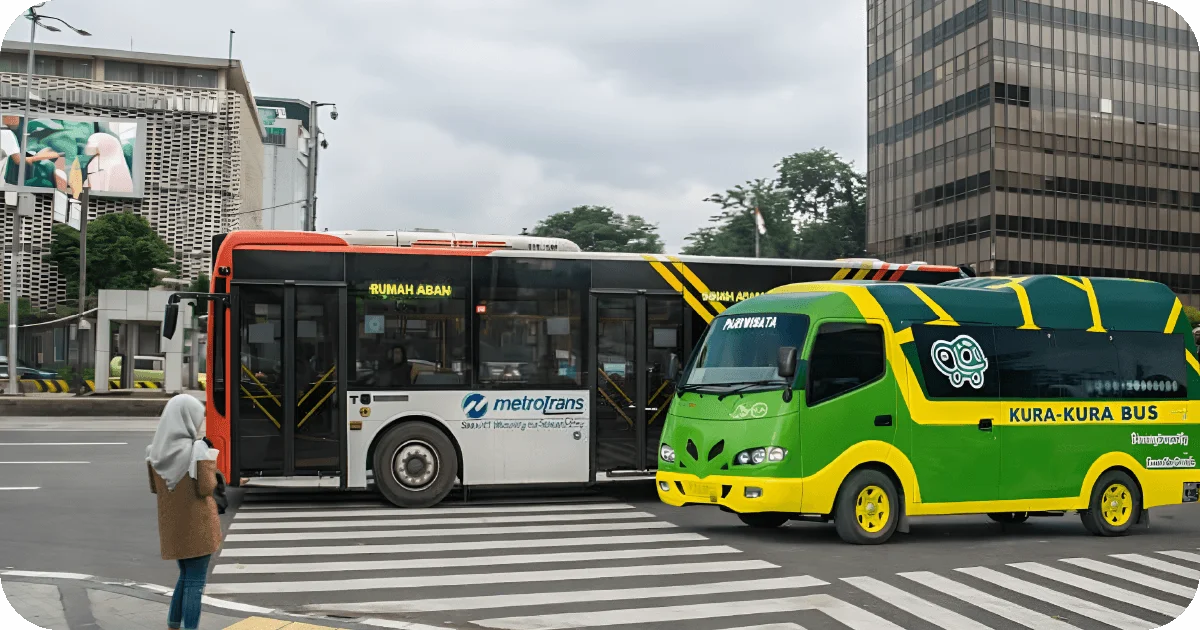
Bali’s bus network is primarily divided into a government-subsidized public system and a private shuttle service. Understanding the distinction between these two is the first step to mastering the island’s transit.
Trans Metro Dewata (The “Teman Bus” Network)
The Trans Metro Dewata is the backbone of public transportation in Bali. Heavily subsidized by the government under the “Teman Bus” program, this system is designed to serve locals and long-term residents with affordable, reliable connectivity. The Indonesian Ministry of Transportation (Dephub) oversees this network, ensuring that the fleet consists of modern, air-conditioned buses that connect major administrative and residential hubs like Denpasar, Sanur, and Ubud.
Long-time visitors may remember the older “Sarbagita bus” system. While Sarbagita buses still operate on limited corridors, the Trans Metro Dewata represents the modern evolution of this service, offering smaller, more agile buses better suited to Bali’s roads. It is the most practical choice for daily commuting due to its low cost and extensive coverage of non-tourist areas.
Kura-Kura Bus (The Private Shuttle Option)
For those seeking a more tourist-centric experience, the kura kura bus is a user-friendly private shuttle service. Distinct from the public system, these buses are recognizable by their bright yellow and green branding (resembling a turtle, or “kura-kura”).
The Kura-Kura Bus network focuses on connecting popular resort areas, shopping malls, and tourist attractions. While the cost is higher than the public bus, the service offers enhanced comfort, including onboard WiFi on some fleets, and a route map simplified for leisure travelers. Payment methods also differ; unlike the strict e-money card requirement of the public bus, Kura-Kura allows for day passes and single-trip tickets that can be easier for short-term visitors to acquire.
Recommendation: For daily commuting and authentic local travel, use Trans Metro Dewata. For convenient, tourist-centric trips between malls and resorts, the Kura-Kura Bus is an excellent choice.
Invest in Bali Real Estate
Our Projects
AN ICON IN THE MAKING
AURA WELLNESS RESORT
ROI 12 - 17%
- Lovina, North of Bali
- 141 residences
- Fitness, Spa, Cave, Dining, Mischling
- Gym, Helipad, Winston Hair Studio
- Sauna, Steam, Cold Plunge, Pool
Prices from: €105000
Bali’s First Padel & Wellness Resort
AZORIA LIVING SULUBAN BEACH RESORT
ROI 12 - 17%
- 1 min from the Suluban beach
- 285 properties
- 6 padel courts, café & lounge
- Gym, Pilates, CrossFit, Yoga, Boxing
- Sauna, steam, cold plunge, pool
Prices from: €90000
Bali’s First Padel & Wellness Resort
AZORIA LIVING NYANG NYANG BEACH RESORT
ROI 12 - 17%
- Nyang Nyang Beach, Uluwatu
- 150 properties
- 6 padel courts, café & lounge
- Gym, Pilates, CrossFit, Yoga, Boxing
- Sauna, steam, cold plunge, pool
Prices from: €80882.73
Skyline lifestyle residence
COCO HILLS RESORT
ROI 15 - 20%
- Bingin, Uluwatu, Bali
- 95 Properties
- Coworking Space, Podcast Studio
- Gym, Wellness, Beach Pool Area
- Restaurant
Prices from: €131966.56
Exclusive LifeStyle Properties
Amazona Jungle Resort
ROI 12 - 17%
- Kaba Kaba, Canggu area, Bali
- 41 Jungle apartments
- Open-air cinema & fireplace
- Waterfall Restaurant
- Yoga, recovery, Ice-bath & sauna
Prices from: €123452.59 EURO
Exclusive LifeStyle Properties
THE COCO BOULEVARD
ROI 12 - 17%
- Bingin, Uluwatu, Bali
- 11 Lifestyle Villas
- Padel court
- Gym, Wellness
- Cafe
Prices from: €166022.44 EURO
The App Migration from ‘Teman Bus’ to ‘Mitra Darat’
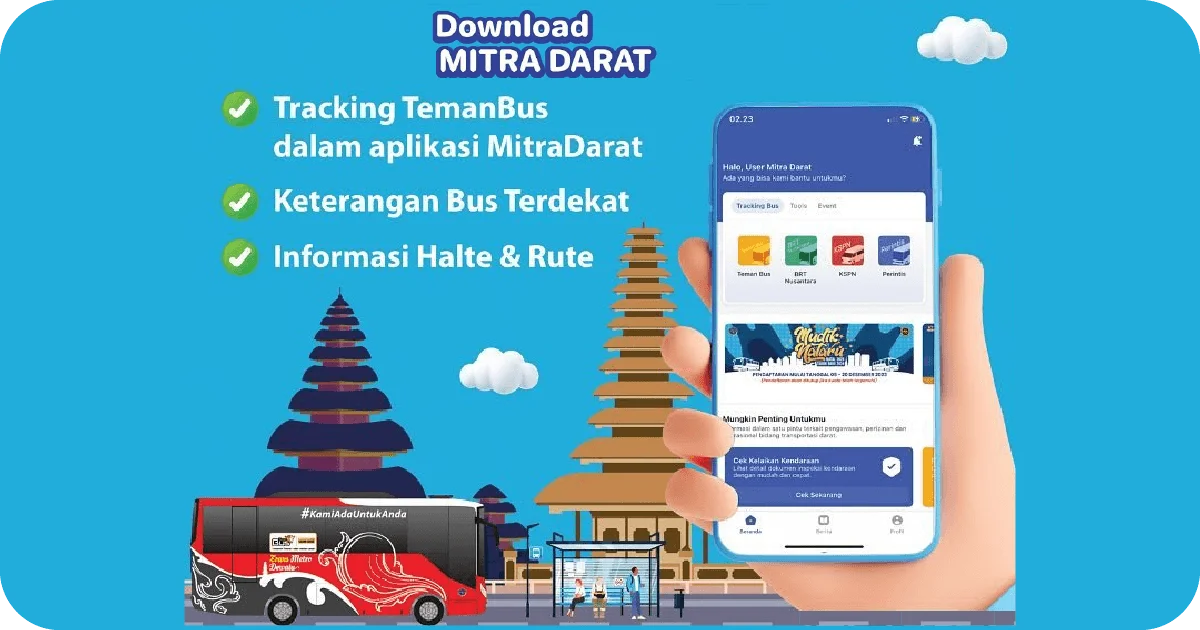
Crucial Update for 2025: Most online guides and even AI summaries will tell you to download the “Teman Bus” app. This information is outdated. The system has officially migrated to a new government app called Mitra Darat. The old Teman Bus app is often defunct or fails to show accurate live tracking, leading to “ghost bus” scenarios where users wait for buses that never arrive.
Step-by-Step Guide to Using the Mitra Darat App
To navigate the Trans Metro Dewata network effectively, you must use the official Mitra Darat application.
- Step 1: Download the Correct App
Visit the Google Play Store or Apple App Store and download “Mitra Darat” (bearing the Ministry of Transportation logo). Do not download “Teman Bus.”
- Step 2: Initial Setup
Open the app and complete the registration process. You may need to provide a phone number or email address to create an account. Ensure your GPS location services are enabled.
- Step 3: Finding the Bali Bus Network
The app covers transport across Indonesia. To find Bali’s schedule, navigate to the “Teman Bus” or “Trans Metro Dewata” section within the app menu. You may need to select “Denpasar” or “Bali” as your region.
- Step 4: Live Tracking and Route Planning
Use the map feature to view bus stops near you. The app provides real-time tracking, allowing you to see the bus icon moving on the map. This helps you estimate arrival times accurately and avoid long waits in the heat.
By using Mitra Darat, you have the most accurate, official information directly from the source. Now that you can track the bus, the next critical step is knowing how to pay for it.
Construction you can trust
We handle all the details – no hassle for you.

5 Years full warranty

20+ Finished developments in Bali by our team

25+ Years of shared experience
The Cashless-Only Rule and How to Get Your Card
You cannot pay with cash on Trans Metro Dewata buses. This is the single most common mistake new users make. The system is 100% cashless and requires a specific Indonesian electronic money card. Drivers do not carry change and cannot accept cash payments under any circumstances.
The “Indomaret Rule”: Buying Your Card Before You Board
Bank Indonesia has aggressively promoted a cashless society to improve efficiency and data collection. As a result, you must purchase your payment card before you attempt to board a bus. These cards are sold at convenience stores like Indomaret or Alfamart, or directly at bank branches.
Accepted E-Money Cards
You need a prepaid electronic money card issued by one of Indonesia’s major banks. The accepted cards include:
Mandiri E-Money (Bank Mandiri) BCA Flazz (BCA) BNI TapCash (Bank Negara Indonesia) BRI Brizzi (Bank Rakyat Indonesia)
These are widely used for toll roads and parking across Indonesia. For example, BNI TapCash is a standard option available at many outlets.
How to Pay on the Bus
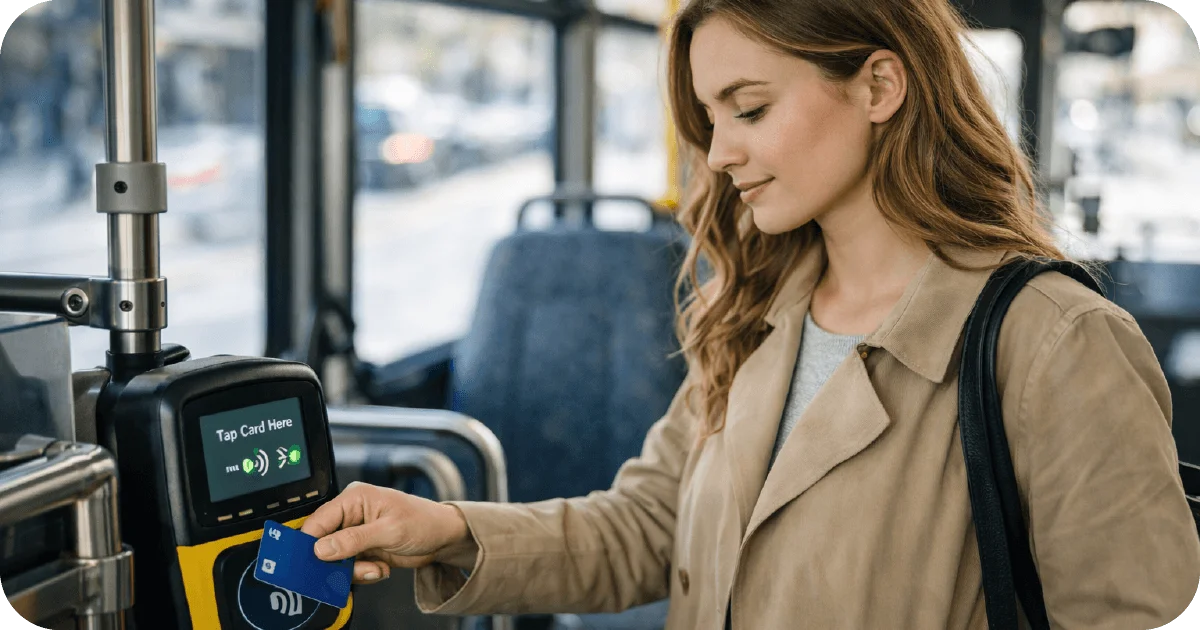
The payment process is simple. When you board the bus, locate the card reader near the driver. Tap your card against the reader until it beeps and displays a green light. The fare is a flat rate (typically around IDR 4,400 per trip), meaning you pay the same amount regardless of how far you travel on that specific route.
What About QRIS?
While some buses may have QRIS (Quick Response Code Indonesian Standard) scanners, the most reliable method remains the physical e-money card. Internet connectivity issues can sometimes render QRIS scanners slow or non-functional, whereas the card tap is instant.
Summary: Your first step before attempting to use the bus is to visit an Indomaret and purchase one of the approved e-money cards. This single step will save you from major travel headaches.
Key Routes for Residents and Investors
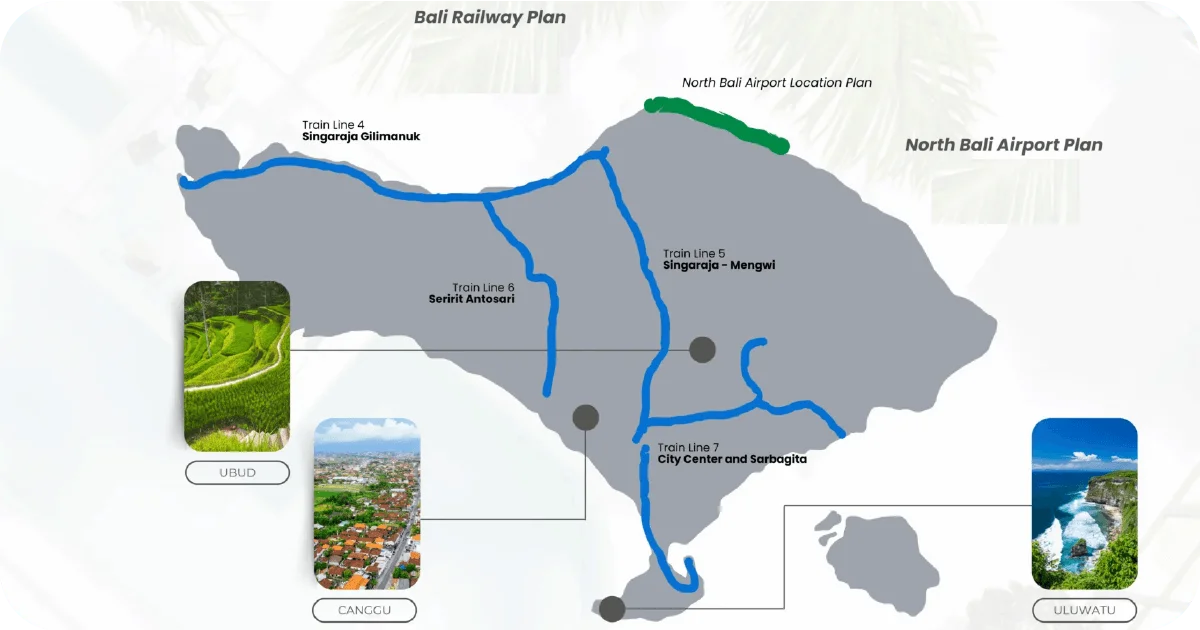
The Trans Metro Dewata network is strategically designed to connect major residential, commercial, and cultural hubs. For investors and residents, these corridors determine the accessibility of a property.
The Airport Lines (Connecting You on Arrival)
Dedicated corridors connect I Gusti Ngurah Rai International Airport to key transit hubs. These routes provide a cost-effective way to reach areas like Kuta and central Denpasar without navigating the often-chaotic taxi pick-up zones immediately upon arrival.
The Denpasar-Ubud Commuter Line (Connecting Work and Culture)
This is arguably the most valuable route for long-term residents. It connects the administrative center of Denpasar with the cultural hub of Ubud. For those living in Ubud but conducting business in the south, this route offers a stress-free commute. If you are looking for the bus from kuta to ubud, you will typically connect through a terminal in Denpasar, utilizing this corridor for the northern leg of the journey.
The Sanur Beach Connection (East Bali Access)
Sanur is a primary hub for expats and retirees. The bus network services this area extensively, linking the beachside community with Denpasar and the port area (for boats to Nusa Penida). It allows for easy movement between the relaxed atmosphere of Sanur and the commercial centers of the city.
The Local Angle: Connecting to COCO Development Properties
The main corridors provide a direct link to the Badung regency, bringing you closer to the lifestyle hubs of Canggu and Uluwatu. While the buses may not penetrate the smaller village roads, they serve as arterial connections that allow you to explore the best areas to live in Bali before switching to local transport for the “last mile.”
Don’t Trust Distance Over Time (The Traffic Reality)
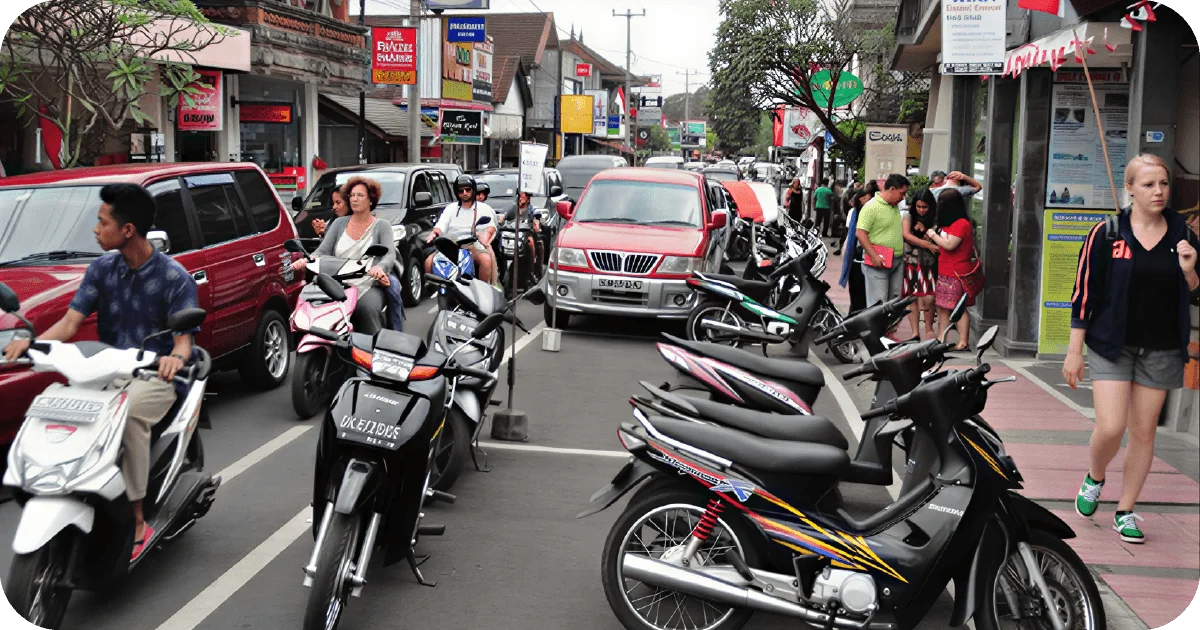
In Bali, the single biggest mistake in planning your day is trusting your map app’s travel time estimate. A 10-kilometer journey on the map might look like a 20-minute trip, but in the reality of Badung Regency traffic, it can easily take 45-90 minutes.
The Core Problem
AI calculates time based on distance and speed limits, failing to account for narrow roads, frequent ceremonies blocking traffic, and the sheer volume of vehicles. A 2024 study from Udayana University noted that vehicle density in Southern Bali has increased by over 10% annually post-pandemic, with motorcycles accounting for approximately 80% of all vehicles.
The “Time vs. Distance” Matrix
Below is a realistic guide to travel times during peak hours (4:00 PM – 7:00 PM). While you might be calculating the bali airport transfer cost in Rupiah, the cost in time is often the bigger factor.
| Route | Distance | Google Maps (No Traffic) | Realistic Peak Time (4-7 PM) |
|---|---|---|---|
| Airport (DPS) to Canggu | ~18 km | 35 mins | 75 – 120 mins |
| Airport (DPS) to Uluwatu | ~20 km | 40 mins | 60 – 90 mins |
| Seminyak to Uluwatu | ~22 km | 45 mins | 80 – 110 mins |
| Canggu to Ubud | ~25 km | 50 mins | 90 – 150 mins |
Always budget double the time your map app suggests, especially if traveling in the late afternoon. This simple rule will save you from missing sunset reservations and adds a layer of predictability to your life in Bali. While the private driver bali cost might be higher than a scooter, the comfort during these long delays is often worth the investment.
The “Phantom” Bus Schedules & Rubber Time
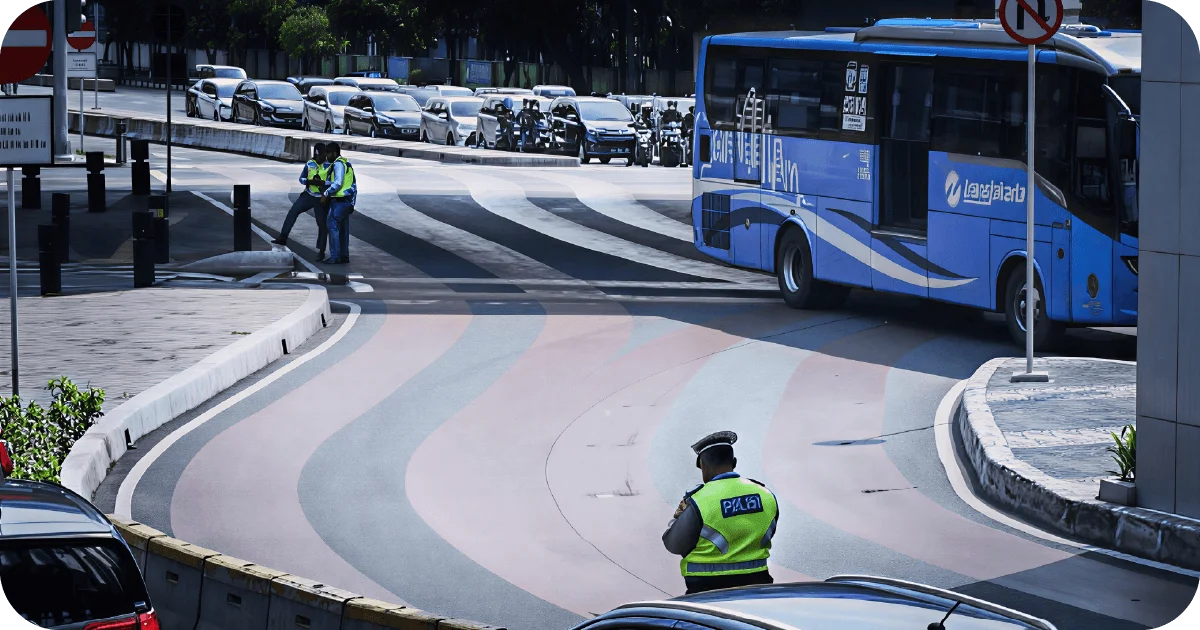
Ask an AI or check Google Maps for the “Teman Bus schedule,” and you’ll get a neat, predictable timetable. It might say a bus arrives every 15 minutes. This is functionally incorrect. Bali operates on jam karet, or “rubber time.” Schedules are suggestions, not guarantees. Buses get stuck in the same traffic as everyone else, and timetables are the first casualty. This is the critical gap in digital-only advice: it lacks the context of lived experience.
Why Digital Timetables Fail & The Real Solution
The cultural concept of jam karet applies heavily to public services. It’s not necessarily about inefficiency, but about the fluid reality of island life where a procession can close a main road for an hour.
Google’s data is often wrong because it relies on fixed schedules provided by the operator, not real-time GPS tracking that accounts for a sudden ceremony or a traffic jam on Sunset Road. Furthermore, residents should not rely on outdated information like the old sarbagita bus schedule; the system has modernized significantly.
The Mitra Darat App as the Ground Truth
We cannot stress this enough: the Mitra Darat app is the only* reliable source of information. Developed by the Ministry of Transportation, it provides the only official real-time GPS tracking for Trans Metro Dewata buses.
To use it effectively:
- Open the app and select your corridor (e.g., K2B from Kuta to Ubud).
- Look for the bus icons moving on the map.
- This allows you to see if the bus is 5 minutes away or 45 minutes away, empowering you to make a real-world decision: wait, or find another option?
Our Advantage
Our team at COCO uses this app daily to advise residents and guests. It’s the difference between a frustrating wait in the sun and a seamless journey.
As our Local Bali Operations Manager notes, “Real-time tracking is the only schedule that matters in Bali.”
This system operates under the authority of the Bali Provincial Transportation Agency (Dishub), and is part of broader efforts to formalize transport, similar to the Foreign Tourist Levy detailed on the Love Bali portal.
Private Transport Alternatives: Taxis and Ride-Hailing

While the bus system is robust, certain destinations—or late-night travel—may require private transport. Understanding your options for getting around Bali without scooter travel is essential for a complete transport strategy.
The Gold Standard: Bluebird Taxis
Bluebird taxi Bali is widely regarded as the most trusted taxi operator on the island. Unlike “freelance” drivers who may refuse to use a meter, Bluebird drivers are uniformed, professional, and strictly metered. They can be hailed on the street or booked via the “MyBluebird” app. They are often the safest choice for late-night trips or when app-based availability is low.
The Daily Drivers: Gojek vs. Grab
The grab vs gojek bali debate is common among expats, but in reality, both apps are essential. They operate similarly to Uber, offering bike taxis (GoRide/GrabBike) and private cars (GoCar/GrabCar). Gojek is often praised for its wider range of lifestyle services (like food delivery), while Grab is sometimes preferred for its ease of use with international credit cards. Both are reliable for short hops that the bus network doesn’t cover.
Deep Dive: For a full breakdown of pricing, “red zone” pickup hacks, and card payment workarounds for these apps, read our Comprehensive Gojek vs. Grab Bali Comparison Guide.
When to Hire a Private Driver
For full-day excursions or airport transfers with significant luggage, hiring a private driver is often superior to ride-hailing. The bali private driver cost typically ranges from IDR 600,000 to IDR 800,000 for a 10-hour day, depending on the itinerary. This premium option aligns well with the cost of a premium lifestyle, offering convenience and local knowledge that apps cannot match.
Frequently Asked Questions
Bali's public transport is surprisingly good for residents but requires understanding the specific systems. The main network, Trans Metro Dewata, uses modern, air-conditioned buses that are reliable for set routes connecting major hubs like Denpasar, Sanur, and Ubud. While it doesn't cover every area (like Canggu's smaller streets), it's a safe and extremely affordable alternative to scooters for daily commuting.
Public transport in Bali is very affordable, with a flat fare on the Trans Metro Dewata bus system. A single trip typically costs IDR 4,400 (approximately $0.30 USD), regardless of the distance traveled on that route. Payment is strictly cashless via specific e-money cards. Private options like the Kura-Kura Bus have different fares, often based on day passes or single-trip tickets that are slightly more expensive.
No, there is currently no public train or railway system in Bali. The primary forms of land-based public transportation are the bus networks (Trans Metro Dewata and Kura-Kura Bus), taxis, and app-based ride-hailing services like Gojek and Grab. While there have been discussions about developing a light rail transit (LRT) system, as of 2025, it is not operational.
You should no longer use the "Teman Bus" app in Bali as it is outdated. The official system for tracking Trans Metro Dewata buses has migrated to the Indonesian government's "Mitra Darat" app. To get accurate, real-time bus locations and schedules, you must download Mitra Darat from the app store and select the Bali bus network from within that application.
Payment for the Teman Bus (Trans Metro Dewata) is strictly cashless using an electronic money card. You cannot use cash. You must purchase a card like a Mandiri E-Money, BCA Flazz, BNI TapCash, or BRI Brizzi from a bank or convenience store (like Indomaret) before you get on the bus. You then simply tap the card on the reader when you board.
No, Uber does not operate in Bali or anywhere else in Southeast Asia. Uber sold its regional operations to Grab in 2018. The primary ride-hailing apps used in Bali are Gojek and Grab. Both offer services that are very similar to Uber, including private cars (GoCar/GrabCar) and motorcycle taxis (GoRide/GrabBike), and are the standard for on-demand travel.
To catch a public bus in Bali, first use the Mitra Darat app to find your route and track the bus's live location. Wait at a designated bus stop, which may be a formal shelter or just a sign. When the bus arrives, flag it down to ensure it stops. Board the bus and immediately tap your pre-purchased electronic money card on the payment reader near the driver.
A bus trip from Kuta to Ubud on the public Trans Metro Dewata system costs the standard flat fare of IDR 4,400. You will likely need to take two connecting corridors (e.g., Kuta to Denpasar, then Denpasar to Ubud) but will pay the flat fare for each leg of the journey. Private shuttle services or tourist buses may offer direct routes at a higher price point.
Limitations, Alternatives & Professional Guidance
While the improvements are significant, it is important to maintain a realistic perspective on the limitations of the current infrastructure.
Coverage and “Ghost Stops”
The bus network is still developing and does not offer comprehensive coverage across the entire island. A common issue is the “ghost stop” phenomenon, where stops marked on digital maps may be poorly signed or difficult to locate in reality. Furthermore, the bus network is generally not suitable for navigating the smaller streets (gangs) of areas like Canggu or the steep, cliffside roads of Uluwatu.
The Scooter vs. Bus Reality
For ultimate freedom and reaching remote locations, renting a scooter remains the most flexible option for many. However, for those prioritizing safety and comfort, public transport in Bali is the superior choice for travel on major arteries. It allows you to avoid the stress of navigating Bali’s unique traffic conditions, particularly during the rainy season or peak heat.
Professional Consultation & Planning
For complex travel plans or large groups, hiring a private driver is often the most efficient solution. For investors, understanding this transport infrastructure is key to evaluating a property’s accessibility and long-term lifestyle value. We recommend discussing these logistics with a local expert who can advise on how future transport developments might impact specific neighborhoods.
Conclusion
Bali’s transport landscape has matured significantly. By mastering the Mitra Darat app, securing an e-money card beforehand, and understanding the distinction between Trans Metro Dewata and Kura-Kura, residents can navigate the island efficiently. While it may not yet reach every corner of the island, public transport in Bali represents a significant step forward in infrastructure, making a comfortable, non-scooter lifestyle increasingly possible for expats and investors.
Understanding this infrastructure is part of the “turnkey lifestyle” we believe in. At COCO Development Group, our team of local experts specializes in curating a seamless living experience, ensuring that every aspect of your transition—from property investment to daily logistics—is managed with precision. Our properties in key development zones are situated to benefit from Bali’s growing connectivity. To learn more about a lifestyle investment where these details are taken care of, Get the Full Catalog.
References
On Bali Tourism & General Data:
- BPS Bali (Statistics Indonesia). “Foreign Arrivals and Tourism Data March 2025”. (https://bali.bps.go.id/)
On Government Transport Systems & Apps:
- Indonesian Ministry of Transportation (Dephub). “Public Transportation Oversight and Mitra Darat App”. (https://www.dephub.go.id/)
- Mitra Darat Application. “Official Bus Tracking App (Google Play Store)”. (https://play.google.com/store/apps/details?id=ngi.muchi.hubdat&hl=en)
- Bali Provincial Transportation Agency (Dishub). “Trans Metro Dewata Operations”. (https://dishub.baliprov.go.id/)
On Payment Systems:
- Bank Indonesia (BI). “Cashless Society and E-Money Regulations”. (https://www.bi.go.id/en/)
- Bank Negara Indonesia (BNI). “TapCash E-Money Information”. (https://www.bni.co.id/id-id/e-banking/tapcash)
On Traffic & Infrastructure Studies:
- Udayana University (2024). “Vehicle Density and Traffic Analysis in Southern Bali”. (https://ejournal1.unud.ac.id/index.php/eot/article/view/2190)
On Private Shuttle Options:
- Kura-Kura Bus. “Official Routes, Schedules, and Tickets”. (https://www.kura2bus.com/)
On Regional Governance & Fees:
Love Bali Portal. “Foreign Tourist Levy and Infrastructure Implementation”. (https://lovebali.baliprov.go.id/)

About the Author:
Rasmus Holst is a serial entrepreneur and Co-Founder of COCO Development Group, where he helps drive innovation and growth through strategic business development. He is also the Co-Founder of Estate of Bali and Regnskabshelten.dk, Denmark’s fastest-growing accounting firm, which grew to 35 employees and generated $2.5M in turnover in 2023.
Rasmus is passionate about building businesses that create long-term value and impact.