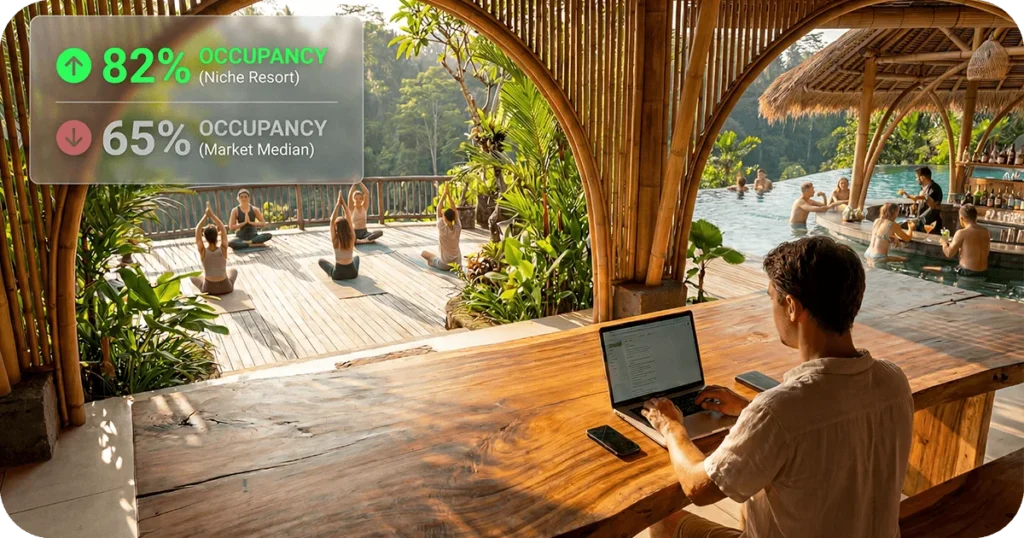
Visiting Bali for the first time? Congratulations! This Indonesian gem, known as the “Island of the Gods,” boasts a stunning mix of pristine beaches, rich culture, and vibrant nightlife that attracts millions of travelers every year. However, like all dream destinations, Bali comes with its quirks and being prepared can make a significant difference in your trip. Whether you are relaxing at Seminyak’s beaches, trekking through Ubud’s lush jungles, or just trying to get that work-life balance in Canggu, these Bali travel tips will help you have an unforgettable adventure.
Bali Pre-Travel Preparations

Navigating immigration requirements is a critical step in ensuring a smooth and stress-free trip to Bali. Understanding visa options and meeting essential documentation requirements can help you save your time, money, and potential headaches at the airport. Here is some travel advice on visa options, customs declarations, tourist taxes, and necessary vaccinations before booking that plane ticket to Bali.
1. Visa Requirements and Immigration Rules
Visa regulations in Bali are quite straightforward; however, there are crucial Bali travel guidelines and consequences for non-compliance, making it wise to understand what to anticipate in advance
Travelers can get the Visa on Arrival (VoA) for about IDR 500,000, which is roughly $35 USD, and it’s valid for 30 days. You can pay this fee in cash (either in USD or IDR) or with a credit card. If you need more time, you can extend it for another 30 days at immigration offices or through agents. Just a heads up: overstaying will cost you IDR 1,000,000 for each extra day. So, if you’re thinking of staying longer than 30 days, check out options like the 211A Visa or a Social Visa.
You may also consider applying for an Electronic Visa on Arrival (e-VoA) ahead of your trip via Indonesia’s official immigration website. This is especially convenient during peak travel seasons or when you want to skip the stress upon arrival.
Bali Beginner Tip: How to Apply for VoA or e-VoA?
- Arrive at Ngurah Rai International Airport or visit the official Indonesia Immigration Website (https://www.imigrasi.go.id)
- Fill out the arrival card
- Present or upload your documents
Provide your valid passport with at least 6 months of validity, your return flight ticket, and a proof of your hotel accommodation or invitation letter, if applicable.
- Pay the Visa Fee in cash or by credit card
If you opt to get your VoA online, you will receive an eVisa approval letter via email which you will present at the Visa on Arrival Counter at the Ngurah Rai International Airport, usually within 1-3 business days so it is important to apply days before your flight to Bali.
- Receive Your VoA Stamp
- Proceed to Customs
2. Customs and Tourist Tax
Once through immigration in Bali, tourists must pay a one-time tourist tax of IDR 150,000, which is approximately $10, which can be paid online at the Love Bali website or app with a small surcharge or at airport kiosks.
Exemptions are available to government officials, corporate investors, and certain visa holders, though these must be arranged ahead of time. Don’t forget to declare high value items such as drones or professional cameras to customs on entry.
3. Vaccinations to Consider
Make sure your routine vaccinations, like MMR (Measles, Mumps, and Rubella), tetanus, and polio, are updated before traveling to Bali. Several health recommendations for travel in Bali are as follows:
- Hepatitis A and B to prevent food and water contamination. If you’re planning to dine at the warung, make sure you take it.
- Typhoid, if you’re an adventurous foodie planning to eat street foods.
- Rabies if you plan to spend time outdoors or expect to interact with animals.
- Japanese Encephalitis especially if you are visiting the countryside during the wet season.
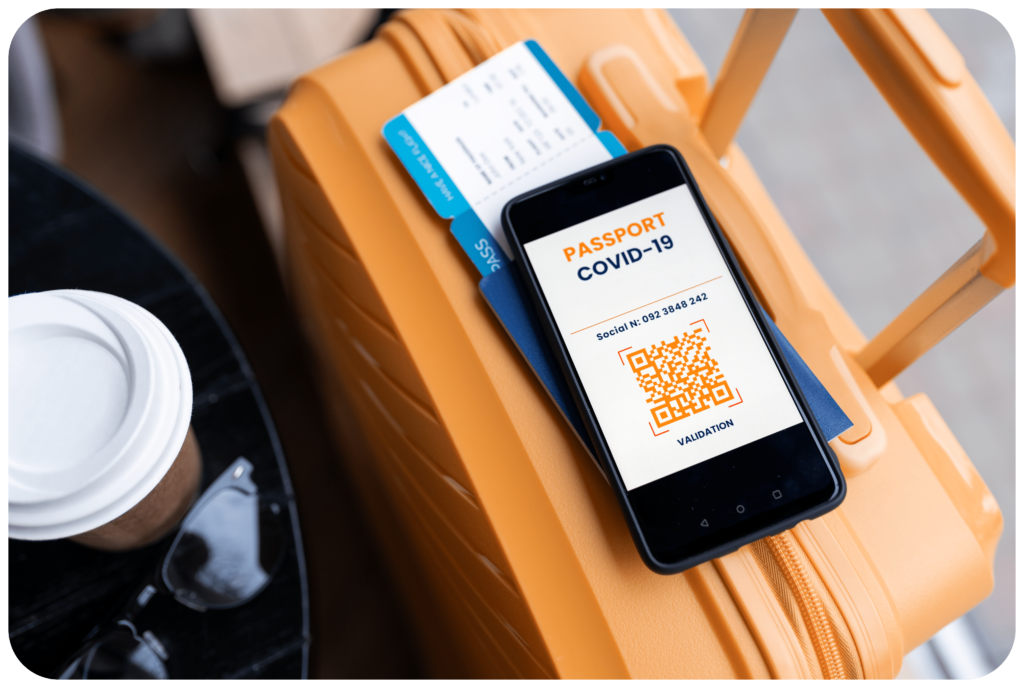
Most of the COVID-19 restrictions in Bali have also been removed, but just in case, carry proof of at least one COVID-19 vaccination at the time of entry into the island, as well as the filled out SATUSEHAT Health Pass self-declaration form. Additional health protocols, including temperature checks, might also be implemented at entry points and various public places.
Money Tips

Understanding the local currency and the exchange practices helps you to manage your money effectively. Here are some very important money tips to ensure smooth transactions during your Bali trip.
4. Get to Grips with Local Currency
The local currency of Bali is the Indonesian Rupiah (IDR), and it’s a good idea to know the current exchange rates before you go. To give you a better idea of how your money will convert, here are approximate exchange rates:
- 1 USD = 15,800 IDR
- 1 AUD = 10,300 IDR
- 1 EUR = 16,700 IDR
- 1 GBP = 20,000 IDR
For the safest and most reliable exchange, always use authorized money changers or exchange your currency at reputable banks. Be also extra careful when dealing with street-side exchangers, as these usually offer unfavorable rates or even shortchange you. It is also wise to withdraw cash from inside the banks’ or shopping centers’ ATMs to minimize the risk of skimming.
Cards or Cash?

While many mid-range to luxury establishments accept credit and debit cards, smaller businesses like local warungs or market stalls operate on a cash-only basis. It’s wise to carry small denominations for minor purchases or some loose change for tipping.
Transform Your Life With a Lifestyle Investment
Take control of your future by owning property in Bali. It’s not just an investment; it’s a lifestyle upgrade that balances work, leisure, and global living.
Getting to and Around Bali
Once you land in Bali, navigating your way through Ngurah Rai International Airport and getting around the island is key to a smooth trip. Here’s everything you need to know to get around Bali efficiently.
5. Master the Art of Getting Around
Bali’s public transit system is not very efficient, so it’s wise to plan your travel choices ahead of your arrival.
- Airport Taxis: Ngurah Rai International Airport (DPS) located in Denpasar serves as the primary gateway to Bali. You can utilize well-known ride services such as Gojek and Grab to reach your hotel, but the simplest option is the official airport taxis. They’ve established rates according to your destination, typically starting at approximately IDR 150,000–300,000 ($10–$20) for popular locations such as Seminyak, Kuta, or Ubud. Simply ensure you take one from the authorized taxi stands to avoid any scams.
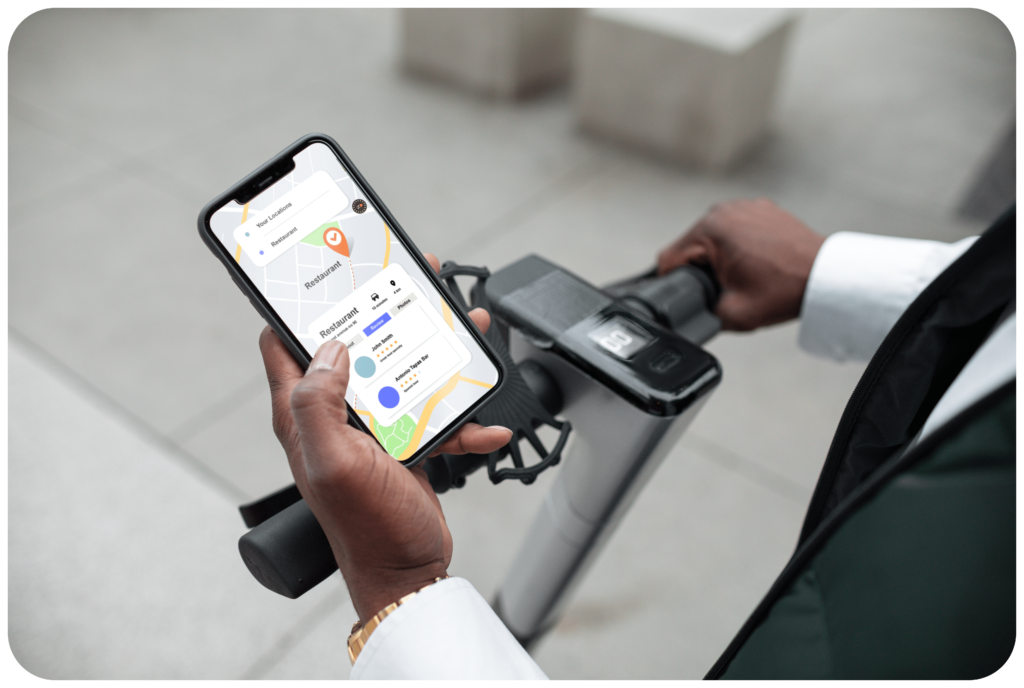
- Ride-Hailing Apps: For short trips, Gojek and Grab are really convenient. These applications simplify transportation and are really affordable, with costs ranging from IDR 10,000–30,000 ($0.6 to $2), based on the distance you need to travel. However, note that some areas restrict online taxis, so you may need to rely on traditional taxis or local drivers.
- Car with a Driver: If you are traveling in a group, you can hire a car with a driver. It’s convenient and cost-effective. The price is usually between IDR 500,000–700,000 per day.
- Scooters: Scooters are one of the most common ways to traverse Bali for solo travelers. The amount one should expect to pay daily is approximately IDR 50,000–70,000 or roughly USD 3 to 5. Though, if you’re going with this option, just be sure to get your International Driver’s Permit, unless you don’t mind paying fines during traffic checks.
General Bali Travel Advice
To get that premium local Bali experience, it’s important to plan your trip with a few key considerations in mind. Here are Bali beginner pieces of advice to immerse yourself in the authentic Balinese way of life while enjoying a smooth and memorable journey.
6. Stay Connected: eSIM and Wi-Fi
Upon arrival in Bali, staying connected is easy if you plan ahead. If you want a solid mobile connection, consider grabbing a local SIM card or an eSIM. You can find these from well-known providers like Telkomsel and XL Axiata. Their plans are budget-friendly and dependable, so you can easily browse, chat, and share your adventures. You can pick these local SIM cards and eSIMs up at kiosks in Ngurah Rai International Airport or at nearby shops for convenience. Data packages typically kick off at around IDR 100,000, which is about $6.50.
Get to Know these Areas with Low Connectivity
While most of Bali has quite good mobile network coverage, there are places, such as in more remote and less developed regions, which may have a weak network. Places like Sidemen, Amed, or parts of Nusa Penida may have spotty signals or slower internet.
To ensure you stay connected in these areas, consider the following tips and options:
- Preload Maps and Information: Download the offline maps from Google Maps or similar apps before heading to areas with poor connectivity.
- Portable Wi-Fi Devices: Rent a pocket Wi-Fi device, available at the airport or local rental shops. These devices ensure reliable internet access and at the same time support multiple devices, making them ideal for groups when traveling.
- Stay in Wi-Fi-Equipped Accommodations: Many hotels, villas, and guesthouses in Bali have free Wi-Fi. If staying in areas with low network coverage, it is recommended to confirm the availability and speed of their Wi-Fi beforehand.
- Local Hotspots:Cafés and coworking spaces in popular tourist areas like Ubud, Seminyak, and Canggu often provide strong Wi-Fi connections.
7. Choose the Best Time to Visit
Bali’s climate is divided into two main seasons: the dry season (April–October) and the wet season (November–March).
If you’re looking for perfect beach trips, lively nightlife, and outdoor adventures, then maybe you should book your travel during the dry season, or hop on a plane during the wet season to get that lush greenery and a more exclusive Bali experience with fewer crowds, though be ready for sudden downpours and more indoor time.
8. Plan Your Itinerary With Purpose
Bali can be quite small on a map, but do not be fooled! Traveling across the island can take hours due to traffic and winding roads. So, decide what kind of experience you want considering your budget and the time you have:
- Luxury and nightlife: Head to Seminyak or Canggu, where you’ll find upscale resorts and vibrant nightlife, although at a high price.
- Spiritual and cultural immersion: Ubud is great to explore temples, art galleries, and yoga retreats.
- Peace and quiet: Amed and Nusa Lembongan are awesome places to relax without breaking the bank. Its appeals include beautiful beaches and fewer crowds offering exclusivity better than other established places.
If you are a traveler who wishes to explore all that the island offers, you could consider designing a special itinerary that covers as much of Bali’s diverse offerings as possible. Otherwise, it would be a huge missed chance as there is simply so much to explore and engage in.
For those visiting for the first time, a week in Bali is a great introduction, but if you can extend your stay, that’s even more ideal! A week offers an excellent opportunity to blend adventure, culture, relaxation, and nightlife. Here’s a suggested 7-day Bali schedule that covers all the essential attractions while minimizing travel time between locations:
It’s tempting to cram everything into one trip, but you’ll enjoy Bali more by slowing down and soaking in each destination.
Turn Your Bali Investment Into a Lifetime Retreat
Blend profitability with personal use—own your dream property and earn when you’re away.
9. Savor Balinese Cuisine Safely

Bali offers a variety of delicious and diverse food options, from street food to fine dining. To achieve the ultimate local Bali experience, consider dining at local restaurants known as warungs. Here are a few essential local dishes to sample in Bali:
- Nasi Goreng (fried rice mixed with veggies, egg, and typically accompanied by satay or chicken)
- Babi Guling (suckling pig, a Balinese specialty)
- Mie Goreng (fried noodles)
- Bebek Betutu (slow-cooked spiced duck)
- Lawar (traditional Balinese salad made with vegetables, coconut, and minced meat)
When you’re enjoying those delicious dishes, remember to keep food and water safety in mind to steer clear of Bali Belly. Tap water being unsafe in Bali is common knowledge, so stick to bottled or filtered options. You must also always check for sealed bottle water, and if you decide to grab drinks at restaurants or bars, be cautious about adding ice to your beverages unless you’re at a place you trust.
What is Bali Belly?
Bali Belly is a common digestive problem that travelers face when they eat contaminated food or drink unsafe water. Symptoms can include stomach cramps, diarrhea, nausea, vomiting, and dehydration. To avoid this, it’s best to skip poorly sanitized places and street food, but just in case, it’s smart to have some medication on hand to help with any symptoms.
10. Respect Local Customs and Laws
When visiting Bali, it’s important to respect the local customs and traditions. At temples, you’ll need to dress modestly and wear a sarong and sash, which are usually provided at the entrance. You’ll also be required to remove your shoes before entering sacred spaces.
Bali also follows Indonesia’s conservative values, so avoid public displays of affection (PDA). There are also laws about no sex before marriage but tourists, in general, won’t be asked to prove their marital status unless staying with an Indonesian partner.
Holidays are also to be watched out for! If you’re planning to visit during Nyepi Day—the Balinese Day of Silence—be aware that the entire island shuts down, including airports, roads, and shops. Everyone stays indoors, so if you’re on a tight schedule, this season might be something you want to avoid.
Learn a Few Local Phrases
Balinese people are incredibly warm and friendly, and they appreciate visitors who make an effort to connect. Knowing a few basic Bahasa Indonesia phrases can make a big difference:
You’ll find that locals smile even more when you try to speak their language!
11. Be Environmentally Conscious and Leave Only Footprints
Bali’s culture is deeply rooted in Balinese Hinduism, a unique blend of Hinduism, Buddhism, Javanese, and ancient indigenous beliefs. This spiritual tradition teaches that the elements of nature are influenced by spirits, which has led the Balinese people to adopt environmentally conscious practices. Some of their practices include usage of natural dyes for textiles, recycling and repurposing materials, and engaging in sustainable agricultural practices like the Subak irrigation system and sustainable tourism.
Bali has also made great strides in reducing single-use plastics. As a visitor, you can help put this into practice by carrying a reusable water bottle and tote bag. Many cafes offer water refill stations, so staying hydrated without creating waste is easy.
In addition to these practices, it is also nice to remember to always respect the environment. Avoid littering, disturbing wildlife, and always stick to marked trails when hiking to preserve the island’s flora and fauna. By being mindful of your impact, you’ll help keep Bali pristine for future generations.
Safety and Convenience Tips in Bali

While enjoying Bali, it’s important to take extra safety measures to ensure a smooth and enjoyable trip.
12. Pack Smart for Bali’s Tropics
When it comes to packing, think light and breathable. Bali’s tropical weather can be both hot and humid, so loose cotton clothing, sandals, and sunscreen are must-haves. You will also need bug sprays and mosquito repellent as these items are significantly more expensive in Bali than elsewhere. You must also not forget specific Bali essentials like your swimwear for the beach and a light scarf or sarong for temple visits.
During the rainy season, pack a compact raincoat or umbrella, and if you plan on hiking Mount Batur at sunrise, bring a light jacket—it gets chilly up there!
13. Be Cautious Around Wildlife
Bali’s wildlife is part of its charm, but be careful around monkeys, especially in places like Ubud’s Monkey Forest. They’re known for snatching sunglasses, bags, and even snacks from unsuspecting visitors. So avoid feeding or provoking them, and secure your belongings when visiting these areas.
Shopping Tips
Of course, what’s traveling without shopping? To make your shopping experience truly worthwhile, check out these handy tips and tricks for shopping in Bali.
14. Tipping and Haggling Etiquette

Haggling is a common practice in Bali, particularly at local markets, and it’s an art worth mastering. Vendors often start with a high price, especially for first-time visitors, so don’t be afraid to make a counteroffer. A good rule of thumb is to start at about half of the asking price, then negotiate to a fair middle ground. Be also polite and respectful throughout the process—it’s all part of the cultural experience—and aim for a deal that feels reasonable for both you and the seller.
Giving tips in Bali is also appreciated but is not mandatory. If you don’t know the tip rates, you might want to follow this unspoken rule: you can give up to 10% tip for good service at restaurants or round up your total bill to the nearest IDR 10,000 for drivers and delivery riders.
15. VAT Refund for Foreigners
To maximize savings, shop at local markets and stores offering VAT refunds for purchases over IDR 500,000. Be sure to keep your receipts and claim the refund at selected airports like Ngurah Rai International in Bali. Remember, the refund process must be completed on your departure day, and purchases should be made within one month of leaving.
Unlock Bali’s Thriving Tourism Potential
Leverage expert strategies to achieve high occupancy rates and competitive year-round rental earnings.
FAQ
Yes, Bali is a great destination for solo travelers. The island offers a wide variety of activities, from relaxing on beaches to cultural experiences, and there are many friendly locals and fellow travelers. However, always stay alert and take precautions to ensure your safety.
No, it is not safe to drink tap water in Bali. Always opt for bottled or filtered water and ensure the seal is intact before consumption.
To avoid Bali's notorious traffic, plan your activities around off-peak hours, consider staying in central locations, or use local transportation options like scooters to navigate through traffic more easily.
Yes, when visiting temples in Bali, you are required to dress modestly by wearing a sarong and sash, which are often provided at the entrance. Also, remember to remove your shoes before entering sacred spaces.
Help support Bali’s eco-friendly initiatives by using reusable water bottles and tote bags, and avoid single-use plastics. Also, respect nature by not littering, avoiding disturbing wildlife, and staying on marked trails when hiking.
Explore Bali like a Pro!
With these Bali travel tips in your arsenal, you’re now ready to embark on an incredible journey filled with unforgettable experiences. From embracing local customs to exploring the island’s breathtaking landscapes, following this Bali travel advice will make your trip seamless and enjoyable even as a beginner.

Rasmus Holst is a serial entrepreneur and Co-Founder of COCO Development Group, where he helps drive innovation and growth through strategic business development. He is also the Co-Founder of Estate of Bali and Regnskabshelten.dk, Denmark’s fastest-growing accounting firm, which grew to 35 employees and generated $2.5M in turnover in 2023. Rasmus is passionate about building businesses that create long-term value and impact.