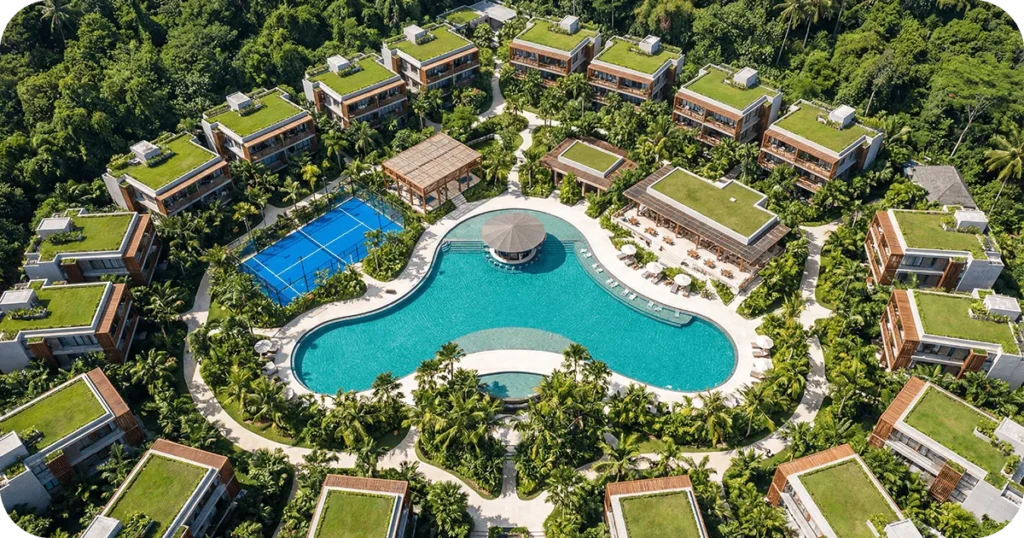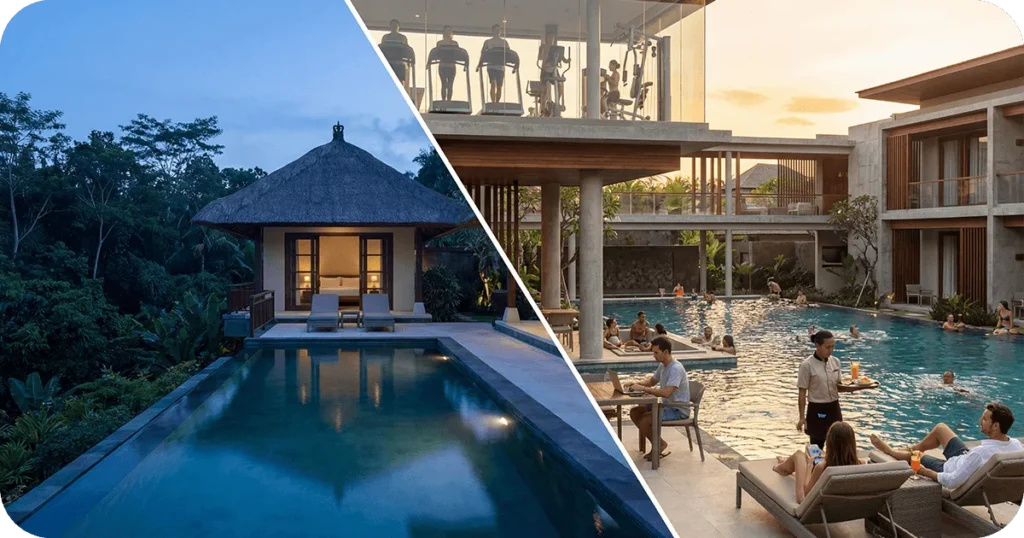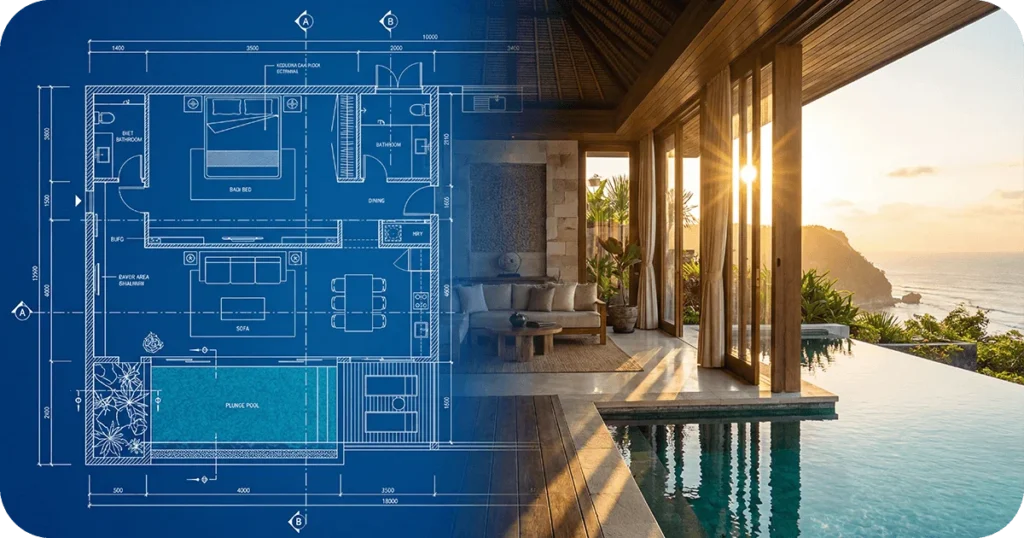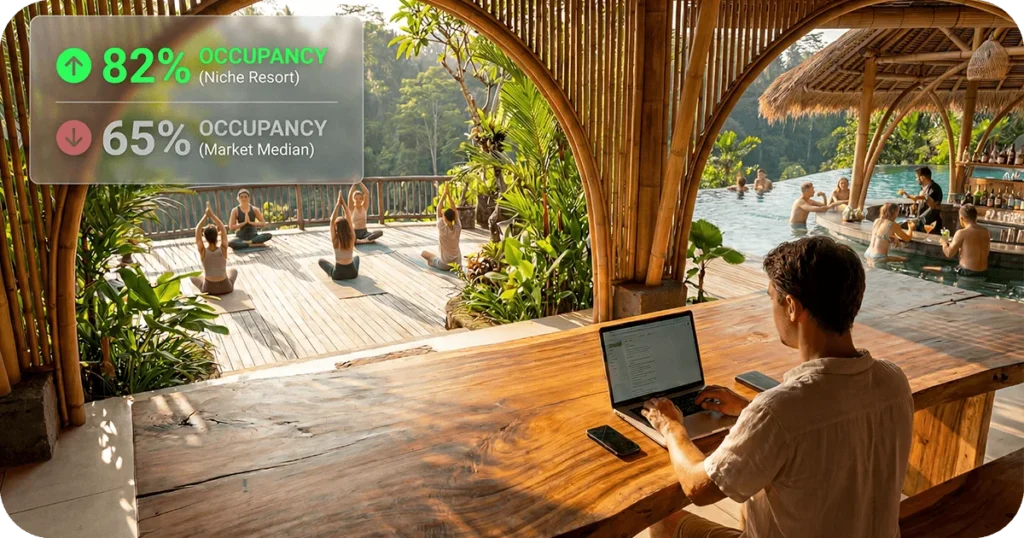
When you think of Bali, images of serene beaches, lush greenery, and luxurious villas come to mind. For many, building a custom villa in Bali whether for a personal retreat or a high-end investment property represents the ultimate dream. With the growing demand for luxury villas, the island has seen a rise in foreign investment in real estate, with villas becoming one of the most sought-after properties. But while building your dream villa in Bali is an exciting venture, it requires careful planning and an understanding of local laws, financial strategies, and construction practices.
This Bali Villa Design Guide will take you through the process of building a villa in Bali, highlighting key steps, from choosing the right architectural style to adapting your villa to Bali’s climate and cultural context, common pitfalls, and expert insights to ensure your project is a success.
Understanding Bali’s Unique Architectural Landscape
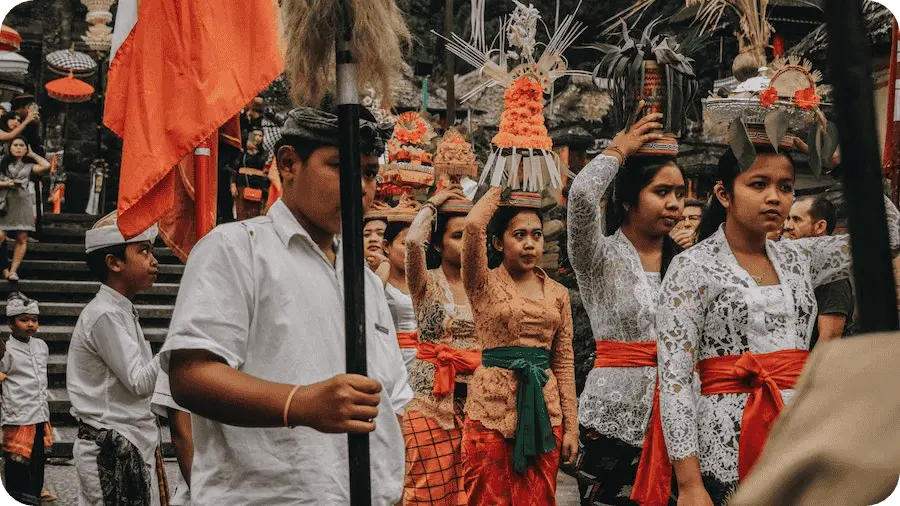
Bali’s architectural style is truly unique, blending traditional cultural elements with modern design for stunning results. Traditional Balinese design places a high emphasis on nature, open spaces, and intricate details, making it ideal for creating serene and harmonious living spaces. Successful modern villas in Bali often maintain this balance, seamlessly integrating luxurious elements while respecting the region’s traditional craftsmanship.
Custom Bali Villa Design
When designing your own villa, focus on incorporating your personal style while respecting Bali’s architectural traditions. The fusion of Balinese craftsmanship with modern luxury features—such as elegant wooden carvings, natural materials, and expansive outdoor spaces—creates a timeless, comfortable, and culturally rich atmosphere. This approach ensures your villa feels both contemporary and deeply connected to the local environment.
Luxury Bali Villa Ideas
If you ever plan to make your villa a high-end investment property or you want to simply feel luxurious, consider key features that elevate the experience. For instance, you may consider putting infinity pools that blend into the horizon, open-air living rooms that make the most of Bali’s tropical climate, and lush gardens that invite nature into every room. These features not only enhance the beauty of the space but also contribute to an environment of tranquility and exclusivity.
Own your COCO property in paradise with benefits for life






Building Steps and Tips for Your Dream Bali Villa
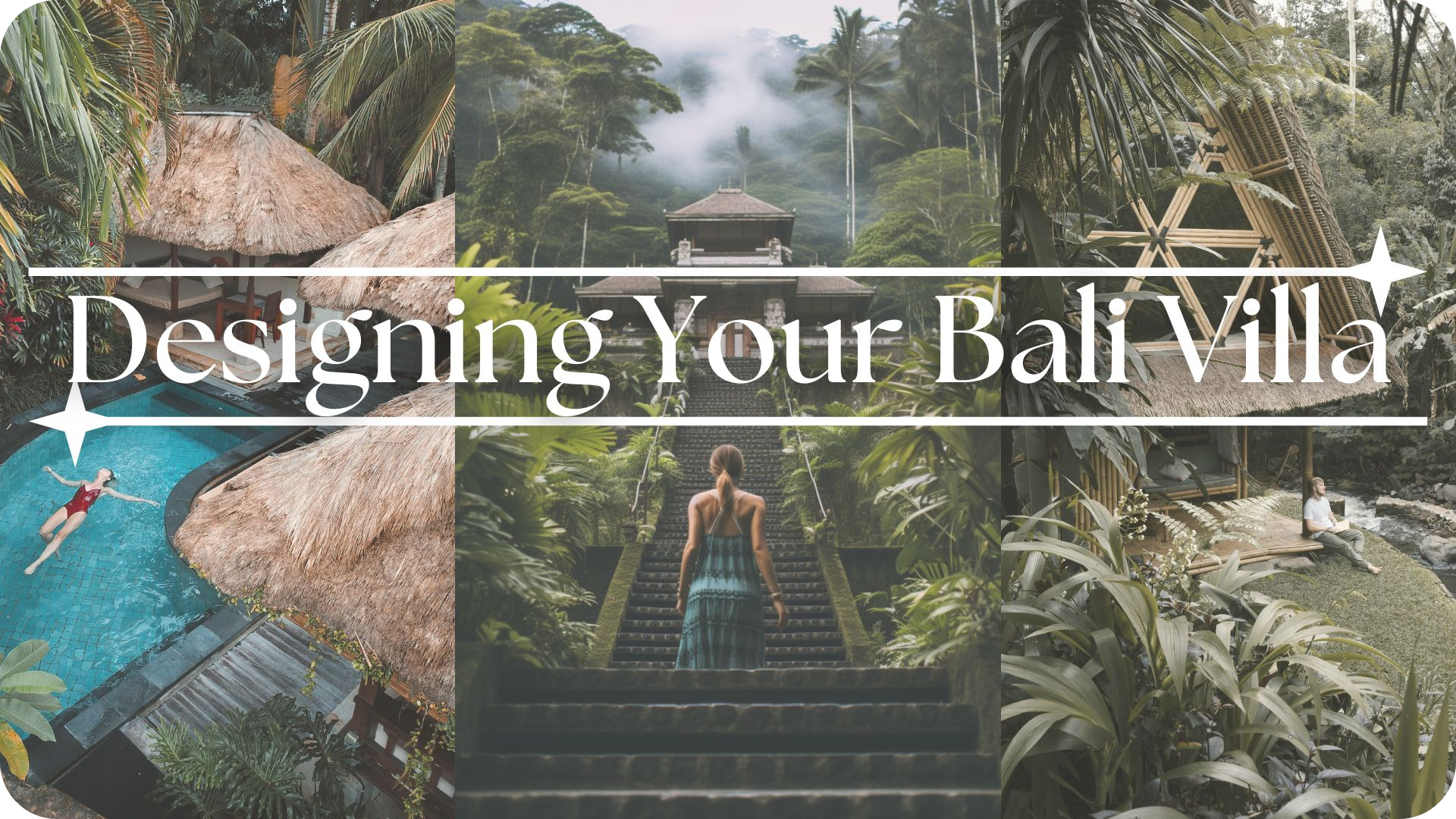
1. Navigate Indonesian Legal Laws
Before diving into the design and construction phases, it’s crucial to understand the legal landscape of owning property in Bali.
Ownership Rights and Legal Structure
Foreigners cannot directly own land in Indonesia, but there are several legal frameworks available to make property ownership possible. One option is a leasehold agreement, which allows foreigners to hold property rights for up to 80 years. Alternatively, foreigners can establish a PT PMA, a local limited liability company, which can own land through the company. However, property ownership in Bali is governed by complex legal structures, making it essential to seek legal counsel to navigate these intricacies.
Zoning Laws
Bali enforces specific zoning laws that regulate the types of properties that can be built in various areas. These regulations ensure that construction projects align with the island’s development goals and environmental preservation efforts, making them a critical requirement when acquiring permits for property development. Bali’s zoning laws are organized into color-coded categories that designate land use, including residential (yellow), commercial (red), agricultural (green), tourism (pink), and mixed-use areas (orange).
So, aside from familiarizing yourselves with Bali’s ownership rights and legal structure, it is also very essential to verify zoning regulations to confirm that your intended land is classified as suitable for villa construction. Ultimately, by fully understanding and adhering to these zoning laws, developers can ensure that their projects comply with legal requirements while also contributing to the preservation of Bali’s unique cultural and ecological landscape.
Property Taxes and Regulations
When building a villa in Bali, it’s essential to familiarize yourself with the property taxes and regulations that govern the island’s real estate market. Some of the most important taxes you’ll encounter are the Land and Building Tax (PBB), the Construction Tax (Bea Materai), and the Documentary Stamp Tax (DST). Understanding these taxes is critical for ensuring compliance with local laws and avoiding unexpected financial burdens.
- Land and Building Tax (PBB): This is an annual tax levied on land and property owners. It is relatively low compared to other countries, but its amount depends on the assessed value of the property. PBB is crucial for property owners to pay on time, as failure to do so can result in fines or even legal action. The tax is assessed by the local tax office, and property owners need to ensure their property is properly registered to avoid discrepancies.
- Construction Tax (Bea Materai): Is applicable when signing contracts related to property development, such as construction agreements and land transactions. This tax is generally minimal, with fees depending on the contract value, but it is essential to include this in your budgeting process when planning your villa construction. This tax ensures that all formal agreements are legally recognized and protected under Indonesian law.
- Documentary Stamp Tax (DST): Applies to certain legal documents, such as property sales contracts and lease agreements. DST is a fixed fee that varies based on the nature of the document. While the tax rates are typically low, it is still important to pay this tax to ensure that your documents are valid in the eyes of the law.
To navigate these taxes and ensure full compliance with Bali’s property regulations, it is advisable to work closely with a local legal advisor. They can help you understand the specific requirements and stay up to date with any changes in tax laws, ensuring that your villa construction proceeds smoothly without any legal or financial setbacks.
2. Financial Planning and Budgeting
Building a villa in Bali is a significant financial commitment, and setting a realistic budget is essential to the success of your project. The overall cost depends on factors like land lease prices, construction quality, labor costs, and the level of comfort and luxury you want to achieve. Bali offers a wide range of options, from modest villas to high-end properties, so having a clear vision for your villa will help you estimate expenses–including the hidden ones–accurately and avoid overextending your finances.
Below is an overview of the typical costs involved in building a villa in Bali, including additional details to help you anticipate and manage your budget effectively:
While some costs, like land leases and construction, are more predictable, hidden expenses and unforeseen circumstances often arise. Establishing a comprehensive budget that incorporates these variables will help ensure your project remains on track.
Securing financing is another key consideration. While some foreigners choose to self-finance their villa projects, others may explore local financing options. Researching available loan opportunities and understanding the repayment terms is crucial to avoid financial strain. Additionally, long-term planning for maintenance costs is essential to preserve your villa’s value and ensure it remains a viable investment for years to come. By taking a strategic approach to budgeting and financing, you can turn your vision of a dream villa in Bali into reality.
Own Your Bali Paradise Home With Zero Hassle
From land acquisition to construction and property management, we handle every detail. You simply reap the rewards.
3. Choosing the Perfect Location
The location of your villa in Bali will greatly impact not just its aesthetic appeal and functionality, but also its long-term investment potential. Bali is divided into distinct regions, each with its own charm and appeal, so whether you desire beachfront views or prefer a secluded jungle retreat, selecting the ideal location depends on your preferences and goals.
Finding the Perfect Plot
When evaluating potential plots, prioritize proximity to tourist attractions, access to essential services like schools and hospitals, and the overall development of your area of interest. If possible and if your budget permits, consider leasing land in Bali’s popular locations like Seminyak, Ubud, and Canggu, though this entails greater prices. It is also advisable to visit the land in person to ensure it aligns with your vision, as pictures alone may not capture the true essence of the surroundings.
Engaging with Locals and Understanding the Area
Bali’s local culture also plays a significant role in the overall experience of owning property. Therefore, it is not enough that you only visit the area and rely solely on your own perspective. You need to go beyond and engage with the local community and understand their customs to avoid potential cultural missteps and create a harmonious environment around your villa.
Additionally, while not always required, obtaining a signed consent from the owners of the neighboring properties is sometimes necessary to secure PBG permits. In these cases, building rapport with the local community can be invaluable, ensuring smoother interactions and support during the development process.
4. Designing Your Property: Traditional or Luxury Bali Villa Ideas
When it comes to designing your villa in Bali, the possibilities are endless. Whether you envision a traditional Balinese-style retreat, a sleek modern sanctuary, or a harmonious blend of both, Bali offers an abundance of design inspiration rooted in its diverse architectural heritage and tropical environment. However, turning this vision into reality requires collaborating with reputable professionals, including architects, designers, and contractors, to ensure your villa not only meets your aesthetic goals but also complies with local building regulations and standards.
Traditional Balinese Tropical: Harmony with Nature
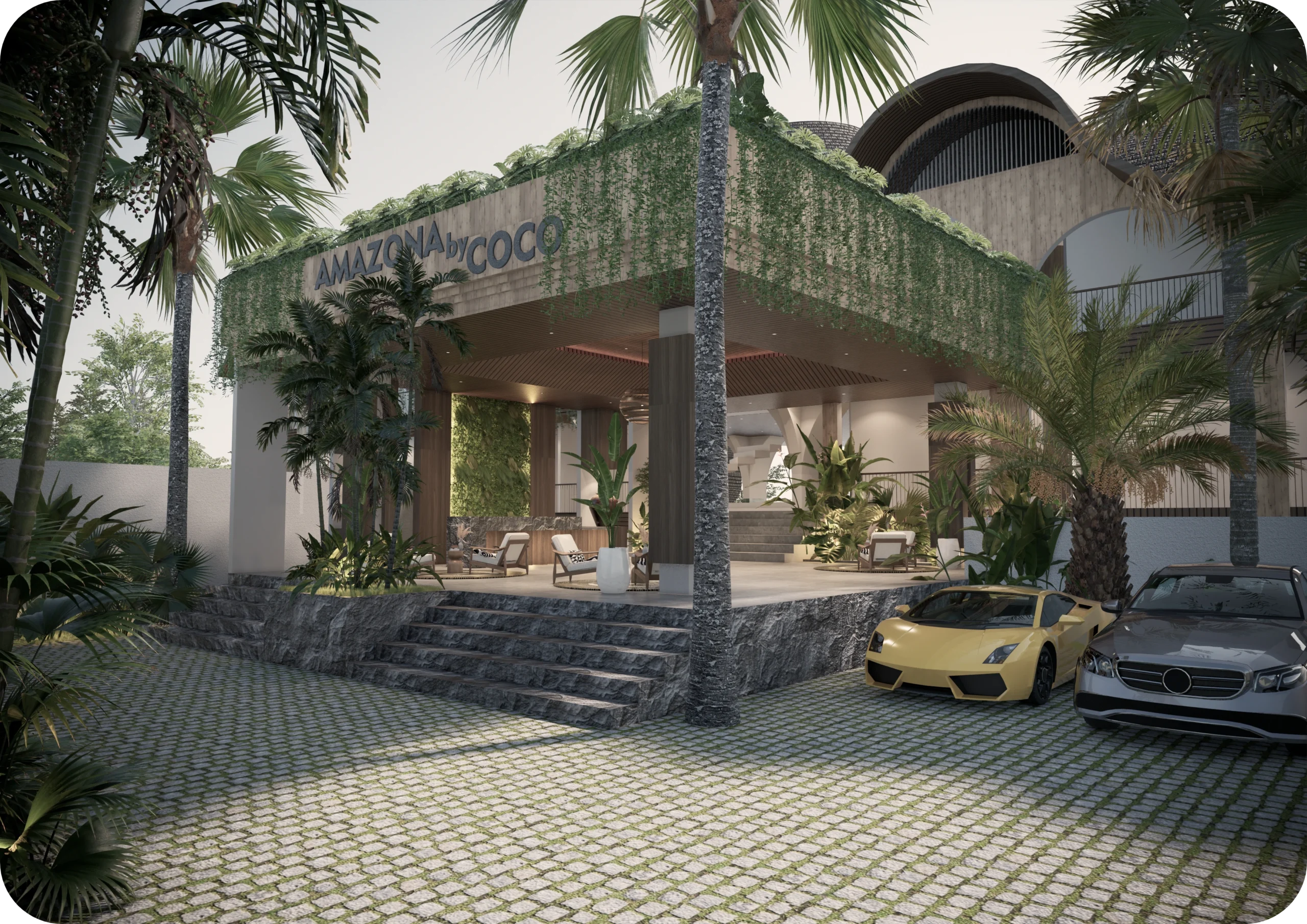
For those seeking to embrace the island’s culture, traditional Balinese villas are a timeless choice. These designs feature open-air living spaces, alang-alang thatched roofs, and the extensive use of natural materials like bamboo, teak wood, and stone. They create a serene, tropical environment by incorporating lush gardens, koi ponds, and tranquil water features. While personalizing the design allows you to incorporate your unique vision and add a personal touch to your property, collaborating with skilled local architects is highly recommended. Their expertise ensures the villa authentically embodies Bali’s rich cultural heritage while seamlessly integrating modern functionality.
Coastal Mediterranean: Rustic Sophistication
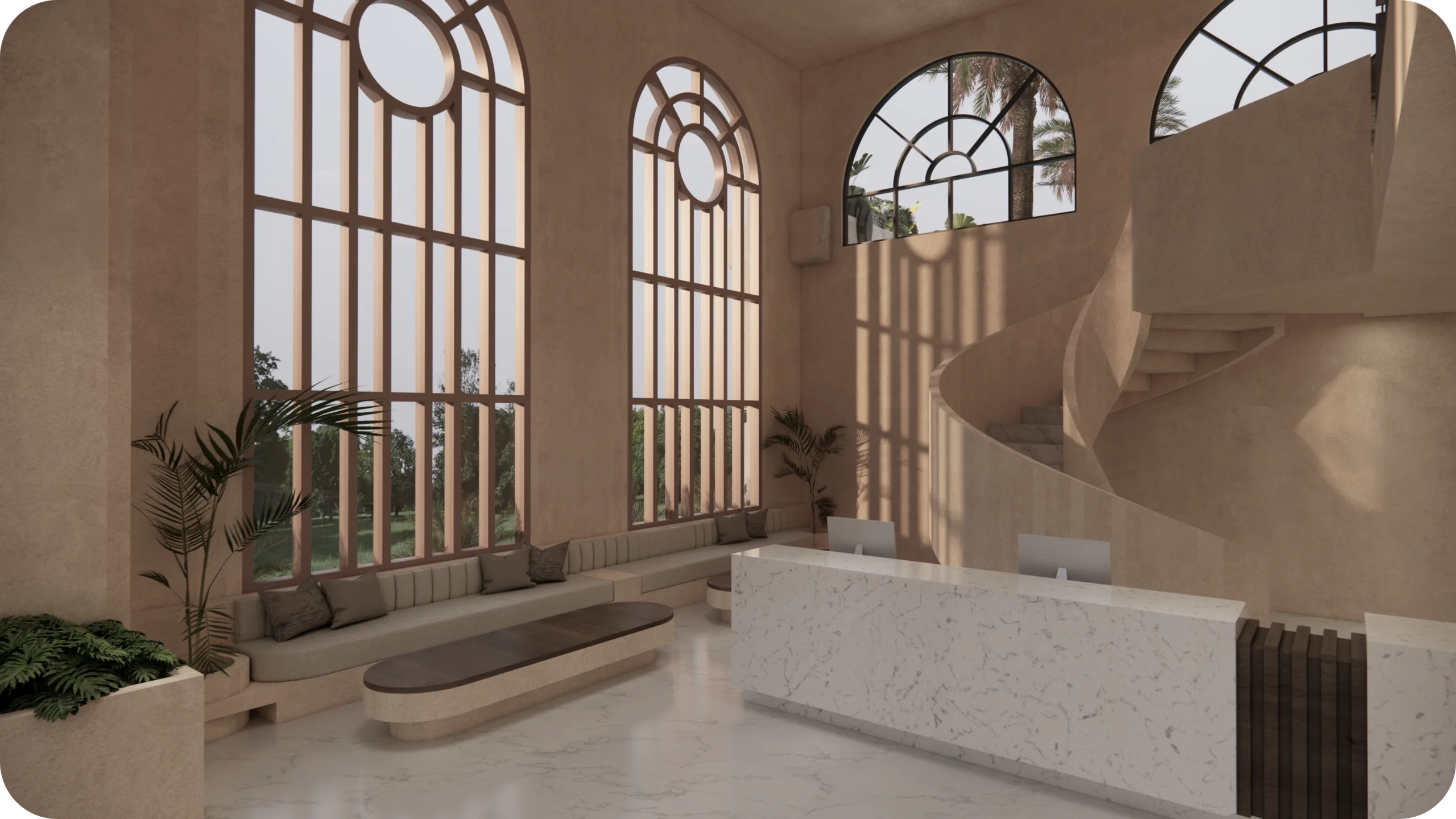
You may also opt for Mediterranean-inspired villas that offer an elegant yet rustic charm perfect for Bali’s tropical climate. With whitewashed walls, terracotta-tiled roofs, and shaded patios, surely you’ll feel the luxurious coastal atmosphere. You may also add expansive outdoor spaces with pergolas and gazebos, olive trees, and bushes that can further enhance the Mediterranean aesthetic while blending seamlessly with Bali’s natural surroundings. This style adds sophistication while creating the illusion of a European retreat, perfectly suited to the tropical charm of Bali.
Urban Contemporary: Sleek and Modern
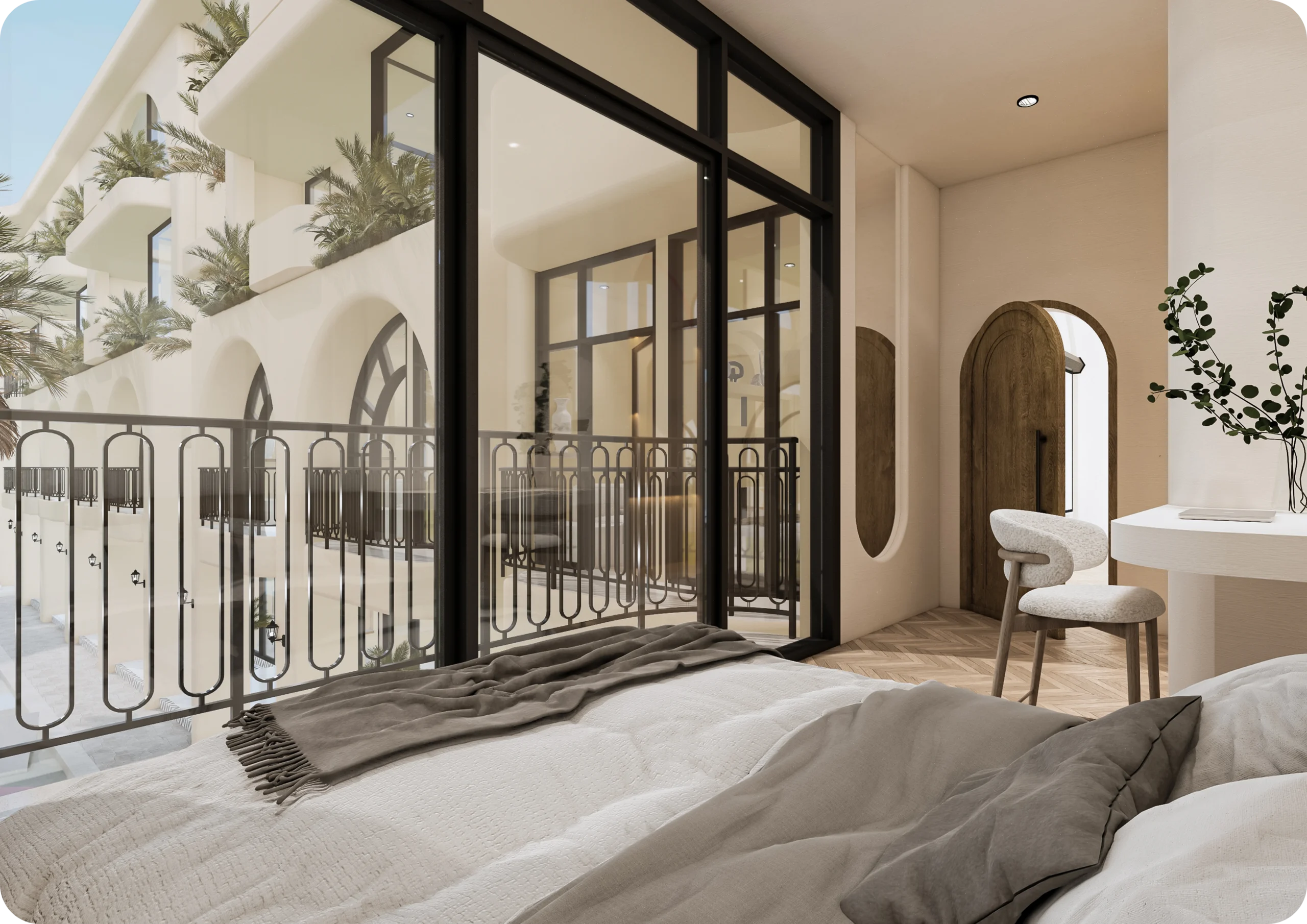
Bali’s evolving urban landscape inspires contemporary villas that prioritize minimalist aesthetics and sustainability. For minimalists, this is the perfect villa design. Think about clean lines, large glass windows, and flat roofs that make a bold statement. These modern villas also often incorporate innovative features like solar panels, energy-efficient materials, and rainwater harvesting systems, allowing you to enjoy a sleek and modern design that’s also cost-effective and mindful of your environmental footprint. And since this design appears complicated, collaborating with experienced professionals ensures your villa balances innovation with sustainable living, creating a space that’s as forward-thinking as it is beautiful.
Open-Plan Living: Spacious and Airy
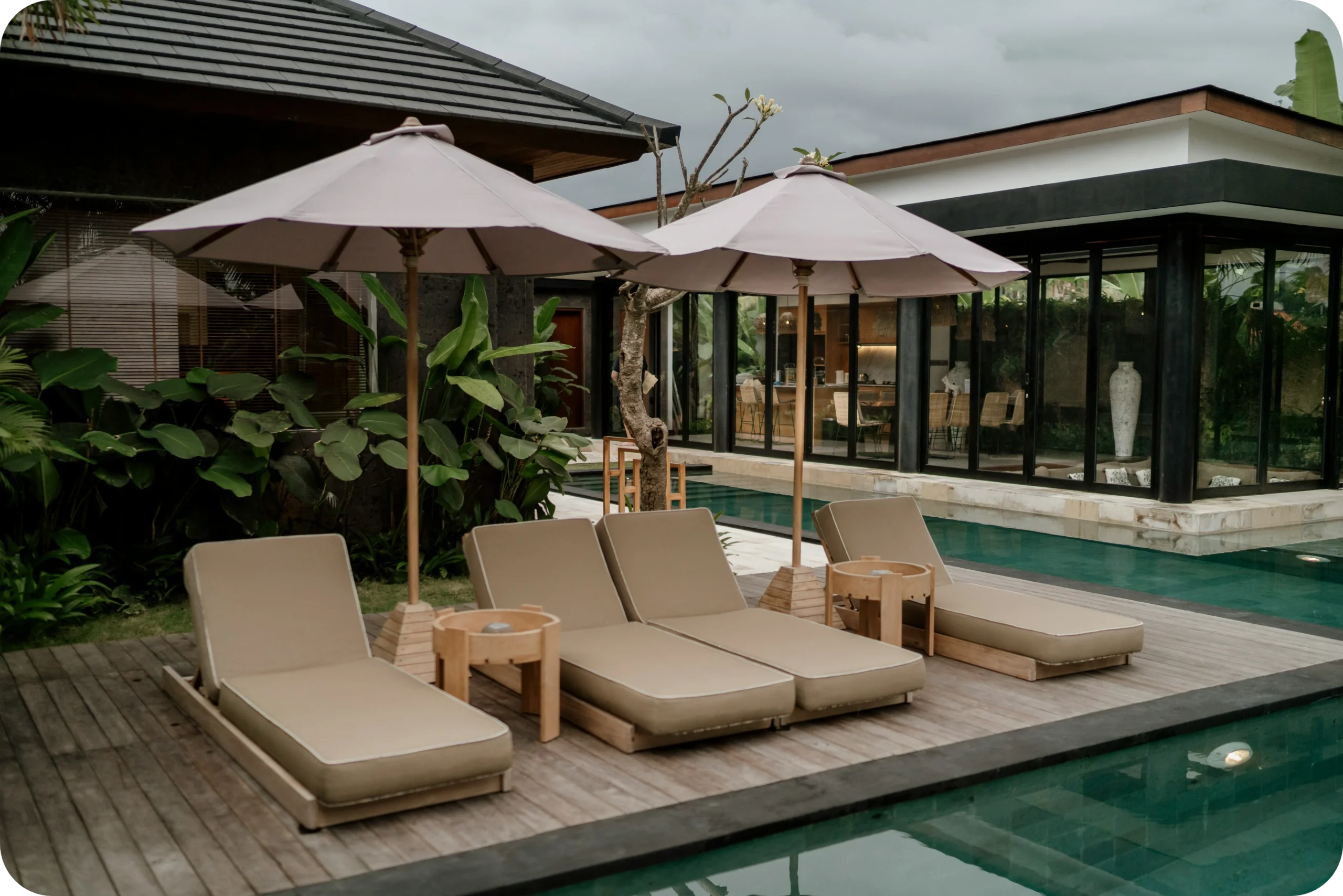
With the increased demand for designs offering maximized functionality, open-plan living has become the hallmark of Bali villas, offering seamless indoor-outdoor transitions. Here, villas are usually designed to have large windows, sliding doors, and expansive layouts that maximize natural light and ventilation, creating bright, breezy interiors. This design approach not only enhances the villa’s visual appeal but also boosts its energy efficiency, making it an ideal choice for both beachfront properties and peaceful, secluded retreats. It’s also the perfect combination of practicality and luxury, designed to embrace Bali’s natural beauty while providing ultimate comfort.
Purpose-Driven Tiny Villas: Compact and Clever
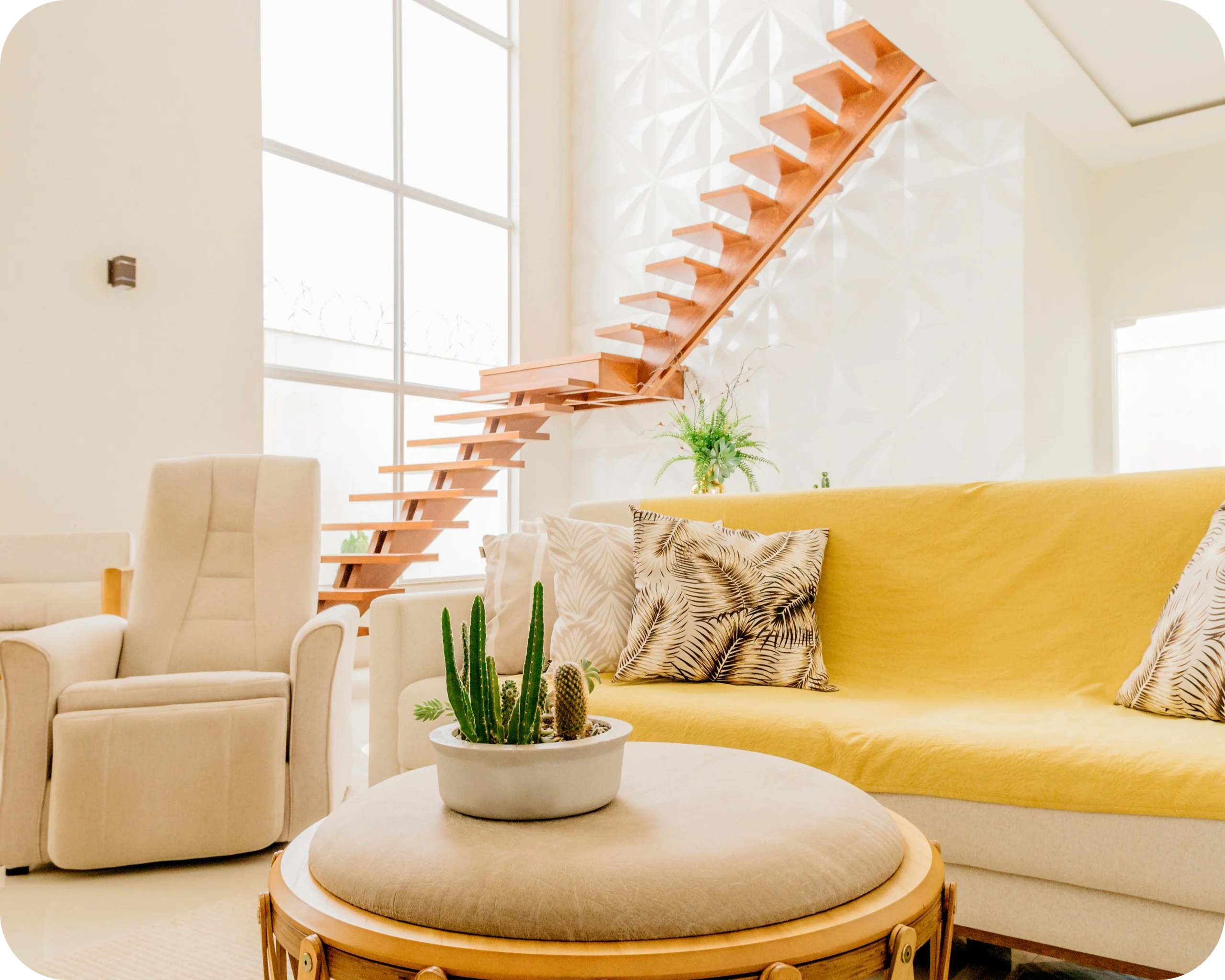
Lastly, if you’re aiming for a more intimate and cozy retreat, purpose-driven tiny villas are the perfect choice for your Bali project. In fact, Bali’s growing trend of compact villas proves that small can be both functional and luxurious. These tiny villas are designed with efficient layouts that maximize every square meter, featuring multipurpose rooms, built-in storage solutions, and sleek, minimalist furniture. One of the most common design choices for these villas is the loft bed-style rooms, which make the most of vertical space and create a cozy, elevated sleeping area. Despite their modest size, these villas provide comfort and style, making them ideal for vacation rentals or minimalist living.
5. Securing the Legal Permits and Legal Documentation
Arguably the most crucial step in bringing your dream villa to life in Bali is securing the necessary legal permits and documentation. Once you’ve finalized your design, navigating the bureaucracy is essential to ensure that all the proper paperwork is in place. This step is key to avoiding potential delays or complications down the line. By securing the required permits, you’ll ensure your project adheres to Bali’s building regulations, which can vary significantly depending on the location and design of your villa.
Here are the essential permits and legal documents you’ll need to secure:
- Proof of Land Ownership or Lease Agreement: This document proves your legal right to build on a plot, either through ownership or a lease. It’s typically secured from the local land office (BPN) or through a notary for lease agreements.
- Architectural Plans and Building Designs: Detailed blueprints and designs, including architectural and MEP (Mechanical, Electrical, and Plumbing) plans. These must be created by certified architects and engineers and are usually required for submission to local authorities to obtain permits.
- PBG (Perizinan Bangunan Gedung): This building permit is required to begin construction and confirms that your design complies with local building codes and is usually secured through the local government’s spatial planning office.
- SLF (Sertifikat Laik Fungsi): The certificate of eligibility verifies that your villa meets safety standards and is fit for use. It is issued by the local government after the construction is completed and is usually free given you’ve paid for and provided necessary documents for the PBG permit.
- Environmental Permits (AMDAL or UKL-UPL): Depending on the project’s scope and location, you’ll need either an Environmental Impact Assessment (AMDAL) for larger projects or a simpler Environmental Assessment (UKL-UPL) for moderate developments. These permits assess the environmental impact of your project and must be submitted to the Ministry of Environment or local environmental agencies for review and approval.
- Soil Test Documentation: Required to determine the land’s suitability for construction, particularly in areas with complex soil conditions. This test should be conducted by certified geological experts.
- Zoning and Land Use Permit: This approval ensures the land is designated for construction according to local zoning laws and categories and is typically secured through the local government’s zoning office.
- Identity Card (KTP for Indonesians, KITAS for foreigners): Required for the property owner or project manager as proof of identity. For foreigners, a KITAS (temporary stay permit) is needed. This document is issued by the regency- or city-level Civil Registry Office (Disdukcapil) or immigration.
- Tax Registration Number (NPWP): This number is required for any legal transaction in Indonesia, including property development. It can be obtained from the local tax office and is necessary for tax reporting and financial transactions related to the property.
- Other documents:
- (a) PBG Application Letter: Formal letter addressed to the relevant spatial planning agencies requesting the PBG, though not always the case.
- (b) Approval Letters from Local Community Leaders and Neighboring Property Owners: These written consents are required to avoid disputes with the local community or neighboring property owners. It ensures harmony and can be obtained by approaching community leaders and property owners directly.
- (c) Stamped Statement of No Dispute: A document stating that the property is free of legal disputes or encumbrances. This document is usually obtained from the local village office (Kelurahan) and is crucial for clearing up any potential legal issues before construction.
Complying with these legal requirements ensures your project stays on schedule, avoids penalties, and aligns with local laws. To ensure everything is done correctly, it’s vital to work closely with legal experts and the relevant local authorities and offices. They will help ensure that all documents are prepared accurately, and that you secure and maintain valid permits. Additionally, while bribery is uncommon, it’s essential to uphold ethical standards throughout the process to guarantee the legality and validity of your property.
why investors choose
coco development group?

Passive income on full auto pilot
COCO Development Group take care
all of the matters relating to the lease of your villa
Profit Maximization
We do not just put your property on Airbnb hoping for a guest to book it. More than 40% of our bookings comes today through our own medias, a strong community and a digital and data driven management approach.
A Convenient and fast payment system
The investors receive net profits currency that is convenient for them. we transfer the money once every three months
No need to handle taxes
COCO Development Group deals with accounting, optimization and payment of taxes. we take care of
everything, you just get the money deposited into your account
High Liquidity
We choose the best locations in Bali and don´t just build villas, but create destinations, conceptual complexes with residential and growth. Based on our experience, we can predict an increase in property values by 35% after the construction is completed.
Fast Payback
Oceanside villas in Bali are in High demand for daily rentals. You will earn about 5000 USD per month
6. Building Your Villa: Construction and Project Management

After the design is finalized and the permits are in place, the next step is to begin construction. Proper management of the construction process is essential for keeping the project on track, within budget, and meets your expectations. Here’s what you need to keep in mind:
Choosing the Right Contractor and Architect: What to Look For?
The success of your villa’s construction hinges on selecting the right contractor and architect. When choosing your team, look for professionals with proven experience in building villas in Bali, as they will be familiar with local construction codes, regulations, and the types of materials that work best in the area. Ideally, your architect should have a portfolio that demonstrates a good understanding of Bali’s architectural styles, whether traditional Balinese or modern, and be able to bring your vision to life. Your contractor should also be reliable, trustworthy, and capable of managing subcontractors, ensuring the quality of work is maintained throughout the project and within the agreed timeframe.
Timeline of Villa Construction: How Long Does It Take to Build in Bali?
On average, constructing a villa in Bali takes about 12 to 18 months, depending on the size, complexity, and design of the project. More intricate or large-scale villas will take longer to construct. You also need to be prepared for potential delays due to unpredictable weather patterns, particularly during the rainy season, or potential disruptions in the supply chain. It’s important to have contingency plans in place to account for these delays to keep the project on track.
Designing and Landscaping: Best Building Materials for Bali’s Tropical Climate
Bali’s tropical climate demands the use of durable, weather-resistant materials. Here are some of the best materials for designing your Bali villa, including tips on when and how to use them:
- Cement
Cement is a reliable and essential material for construction in Bali’s humid climate, especially for foundations, walls, and flooring. It offers durability and a smooth, modern finish, making it ideal for creating strong, weather-resistant structures that can withstand heavy rainfall and high humidity. Cement is also versatile, blending well with other materials to achieve both modern and traditional aesthetic styles. - Bamboo
Bamboo is a sustainable and highly versatile material used in many Bali villas for both structure and decoration. Known for its light weight and strength, it is perfect for creating open, airy spaces such as pergolas, outdoor decks, and ceilings. Bamboo’s natural appearance provides a tropical aesthetic that blends beautifully with Bali’s natural surroundings while offering resilience against the island’s climate. - Wood (Teak & Mahogany)
Wood, particularly teak and mahogany, is commonly used in Bali villas for its beauty and durability. Teak wood is especially popular for outdoor furniture and decking, as it naturally resists moisture and pests. Mahogany, with its rich color and strength, is used for furniture, cabinetry, and other high-end features. Both woods are great for adding warmth and luxury to your villa’s interior while withstanding Bali’s tropical conditions. - Clay Tiles
Clay tiles are a traditional material often used for roofing in Bali villas. They offer a classic, rustic charm while providing excellent thermal insulation. The natural earth tones of clay tiles complement the tropical environment, creating a cool and comfortable living space. - Alang-Alang Roofs
Alang-alang, or thatched roofing, is an iconic material used in Bali’s traditional architecture. Made from grass, alang-alang roofs are perfect for creating a natural, eco-friendly aesthetic. They also help keep villas cool by providing insulation from the sun and rain, making them ideal for open-air spaces like gazebos or poolside areas. - Stone
Stone is a durable and timeless material used in both exterior and interior design in Bali villas. From natural stone walls to flooring and decorative accents, stone provides a raw, earthy appeal. Its ability to withstand the island’s humidity and rain makes it an excellent choice for long-lasting structures. When combined with wood or bamboo, stone can bring a sophisticated yet natural vibe to your villa.
Managing the Construction Process: Budgeting for Delays and Quality Control
Lastly and most importantly, effective construction management is key to ensuring your project stays within budget and meets quality expectations. Here, hiring a project manager that can oversee day-to-day operations and budgeting, supervise subcontractors, and monitor the construction to make sure it aligns with your vision can be a valuable investment.
Quality control is another critical aspect — from ensuring that the materials are of the highest standard to confirming that the construction meets all local building codes, your project manager can ensure that no corners are cut. It’s important to remain flexible with your budget, as unforeseen expenses such as weather-related delays, material price fluctuations, or design adjustments may arise during construction.
7. Post-Construction Considerations

Building your dream villa in Bali does not end after the construction process is complete. You must also ensure it remains in excellent condition and continues to function efficiently for years to come. Proper post-construction planning is vital to maintaining the integrity of your property and safeguarding your investment. Here’s what you need to consider:
Finalizing Your Villa: Inspections, Compliance, and Last-Minute Touches
Once construction is complete, scheduling final inspections is crucial to ensure your villa meets all local standards and safety regulations. This process helps confirm that every system in your villa, from plumbing to electrical, is functioning properly. Any necessary adjustments should be made before finalizing the project. You’ll also want to handle last-minute design touches like landscaping and interior decorating to perfect your villa’s appearance.
Property Management and Maintenance Planning
If you plan to use your villa as a vacation rental or a long-term residence, maintenance planning is key. Hiring a local property management company can ensure your villa is well-kept, with regular maintenance and repairs handled by professionals. Property managers can also oversee guest services and security, keeping your property in top shape and your guests satisfied. Additionally, establishing a routine maintenance schedule, such as checking for wear and tear or servicing major systems, will extend the longevity of your villa and prevent costly repairs down the line.
Grow Your Wealth With Quarterly Rental Income
Enjoy consistent, hassle-free earnings. We pay out profits every three months directly to your bank account, in the currency of your choice.
Common Mistakes to Avoid When Building a Villa in Bali

Even experienced property owners can make mistakes when building a villa. By being aware of these common pitfalls, you can save yourself from costly errors and ensure your project runs smoothly.
1. Failing to Do Thorough Research and Legal Due Diligence
One of the most critical mistakes is neglecting thorough research and legal due diligence. It’s essential to hire a local lawyer who understands Bali’s land regulations and property laws. Without professional guidance, you risk purchasing land that doesn’t have the proper zoning or ownership rights, which can result in legal complications and financial losses.
2. Underestimating Time and Budget Requirements
Construction projects in Bali, like anywhere, often take longer and cost more than initially anticipated. Weather delays, unexpected design changes, and rising material costs can add to the time and budget. To avoid this, always factor in buffer time and extra funds in your timeline and budget to accommodate unforeseen delays and expenses.
3. Neglecting Local Architectural Styles and Building Materials
Bali’s unique architectural styles and climate demand thoughtful consideration. Using materials that are unsuitable for the tropical weather or ignoring local design practices can lead to a villa that doesn’t blend well with the surroundings. Opting for traditional Balinese designs and sustainable materials like bamboo, local stone, and teak ensures your villa maintains aesthetic value while withstanding the elements.
4. Not Finding a Reliable Construction Team or Skilled Labor
Choosing a contractor or architect without a solid reputation can lead to significant issues, including poor craftsmanship, project delays, and unnecessary costs. Always do due diligence on your construction team, checking references and reviewing their past projects. Hiring professionals with a proven track record can help you avoid poor-quality work and ensure the project meets your expectations.
5. Ignoring the Local Community and Their Needs
Building a villa without engaging with the local community can create tension and negatively impact your project’s success. Bali’s communities value respect for local customs and traditions, so it’s essential to foster positive relationships. Be proactive in communicating with local leaders, neighbors, and cultural stakeholders, ensuring that your project aligns with their expectations and needs.
6. Overlooking the Impact of Weather and Natural Elements on Your Villa
Bali’s tropical climate brings high humidity, heavy rain, and occasional storms, all of which can affect your villa’s longevity if not accounted for during the design process. Be sure your villa’s structure, materials, and finishes are designed to handle the local weather conditions. Regular maintenance checks for mold, corrosion, or weathering will keep your villa in excellent shape for years to come.
7. Not Planning for Long-Term Maintenance
Villas in Bali require regular maintenance to stay in top condition. Many owners neglect to factor in the costs and effort of upkeep once construction is complete. To avoid such mistakes, develop a maintenance plan that includes routine cleaning, pest control, plumbing inspections, and other repairs. Setting aside a maintenance fund and hiring a property management company can ensure your villa remains functional, attractive, and safe for the long term.
Construction you can trust
We handle all the details – no hassle for you.

5 Years full warranty

20+ Finished developments in Bali by our team

25+ Years of shared experience
FAQ
Foreigners cannot own land in Bali outright. However, you can lease land or establish a company (PT PMA) to acquire property legally.
The process usually takes 12–18 months, depending on the complexity of the design and local approval timelines.
Costs vary widely, but building a standard villa can range from IDR 8 million to IDR 15 million per square meter ($500–$1,000).
Durable materials like teak wood, bamboo, and volcanic stone are ideal due to Bali’s climate
For larger projects, assessments like UKL-UPL or AMDAL may be required to ensure compliance with environmental regulations.
Turn Your Dream Bali Villa into Reality!
Building a villa in Bali is an exciting endeavor that requires thorough planning, legal expertise, financial foresight, and attention to detail. While the process may seem daunting, following this Bali Villa Design Guide will help you navigate the complexities with confidence and create your dream villa that’s both rewarding and profitable.
By blending modern comfort with Balinese tradition, your villa can become more than just a property—it can be a sanctuary that reflects your vision and values.
So, are you ready to make your dream villa a reality? Take the first step today and turn your vision into a Bali masterpiece!

Rasmus Holst is a serial entrepreneur and Co-Founder of COCO Development Group, where he helps drive innovation and growth through strategic business development. He is also the Co-Founder of Estate of Bali and Regnskabshelten.dk, Denmark’s fastest-growing accounting firm, which grew to 35 employees and generated $2.5M in turnover in 2023. Rasmus is passionate about building businesses that create long-term value and impact.